Between cava, prosecco, champagne and other sparkling wines, it's not always easy to find your way around. Beyond price, what really sets these bubbles apart-and how do you choose the right bottle for the right moment?
Let's break down the key differences between prosecco, cava and champagne, looking at production methods, grape varieties and the occasions where each style truly shines at the table.
What's the difference between prosecco, cava and champagne?
Champagne: finesse and complexity

Champagne is made using the traditional method, in which the second fermentation takes place directly in the bottle, creating the wine's natural effervescence.
Only sparkling wines produced in the Champagne region of France and following strict production rules can legally use the name "champagne."
After the second fermentation, the sediment formed in the bottle is removed, and a dosage (liqueur d'expédition) is added. This step determines the final style of the champagne, whether bone-dry or slightly rounder (brut, extra-dry, and so on).
The main grape varieties used are chardonnay, pinot noir and meunier, most often blended to achieve the balance and complexity champagne is known for.
Some champagnes, however, are made from a single grape variety, such as blanc de blancs (100% chardonnay) or blanc de noirs (made exclusively from pinot noir and/or meunier), offering more structured and vinous profiles.
Cava

Like champagne, cava is produced using the traditional method, with a second fermentation in the bottle.
The main differences lie in geography and grape varieties. Cava is produced in Spain, primarily in Catalonia, and made from local grapes such as macabeu, parellada and xarel·lo. Rosé cavas are also available.
Often more affordable than champagne, cava offers bright freshness, lively acidity and a certain complexity, making it an excellent choice at the table-especially with tapas, seafood or simple dishes meant for sharing.
What about crémant?
Crémant refers to French sparkling wines also made using the traditional method, but produced outside Champagne, in regions such as Alsace, the Loire Valley or Jura.
Selon les cépages utilisés, ils peuvent être très vifs ou plus ronds, et offrent souvent un excellent rapport qualité-prix, aussi bien à l'apéro qu'à table.
Prosecco

Prosecco is produced using the Charmat method, also known as the tank method or Martinotti method in Italy.
Unlike champagne, the second fermentation takes place in large pressurized tanks before bottling.
This faster, more economical process highlights a lighter, fruitier and more floral style, with softer bubbles.
Prosecco is made primarily from the glera grape and benefits from a protected designation of origin. Only sparkling wines containing at least 85% glera and produced in specific areas of Veneto and Friuli Venezia Giulia can be labeled as prosecco.
In recent years, prosecco rosé has also emerged, made from glera with a small proportion of pinot noir.
Easy to drink and meant to be enjoyed young, prosecco is ideal for aperitifs, cocktails and light dishes.
How to choose the right sparkling wine?
That's the big question. Several factors come into play when choosing a bottle.
- Budget
- When will you serve the bubbles?
Budget

Budget is often the first consideration. Prosecco and crémant generally offer excellent options at accessible price points, while champagne typically sits at a higher price range.
The number of guests also matters: for a festive gathering, it's often easier-and more convivial-to open two or three bottles of prosecco or crémant rather than relying on a single bottle of champagne.
When will you serve the bubbles?

As an aperitif or in cocktails
Prosecco is a natural choice, especially for cocktails like the Aperol Spritz. Light, fresh and easy-drinking, it pairs well with charcuterie, small bites, sushi or fresh salads.
Often slightly rounder than some champagnes, prosecco can also work well at the end of a meal with fruit tarts or fresh fruit such as peaches, pears or pineapple.
Cava and crémant are also excellent aperitif options, especially with antipasti, fresh cheeses, seafood or savory bites, thanks to their freshness and vibrant acidity.
At the table, with food

For a full meal, sparkling wines made using the traditional method-champagne, cava and crémant-tend to shine. Their structure, higher acidity and aromatic complexity make them better suited to food pairings.
Oysters, fish, tapas, fried dishes, roasted poultry or even duck breast all pair beautifully with bubbles. The contrast between richness and freshness is particularly appealing.
It's also worth noting that cavas aged longer on their lees can pair surprisingly well with meat-based dishes.
In summary: which sparkling wine for which occasion?
- Prosecco: aperitif, cocktails, light dishes, fruit-based desserts
- Crémant: refined aperitifs, tapas, relaxed meals
- Cava: aperitif-style dinners, shared plates, Mediterranean cuisine
- Champagne: elegant starters, main courses, special occasions
Sparkling wine suggestions to try
Here are a few sparkling wines to consider for your next celebration.
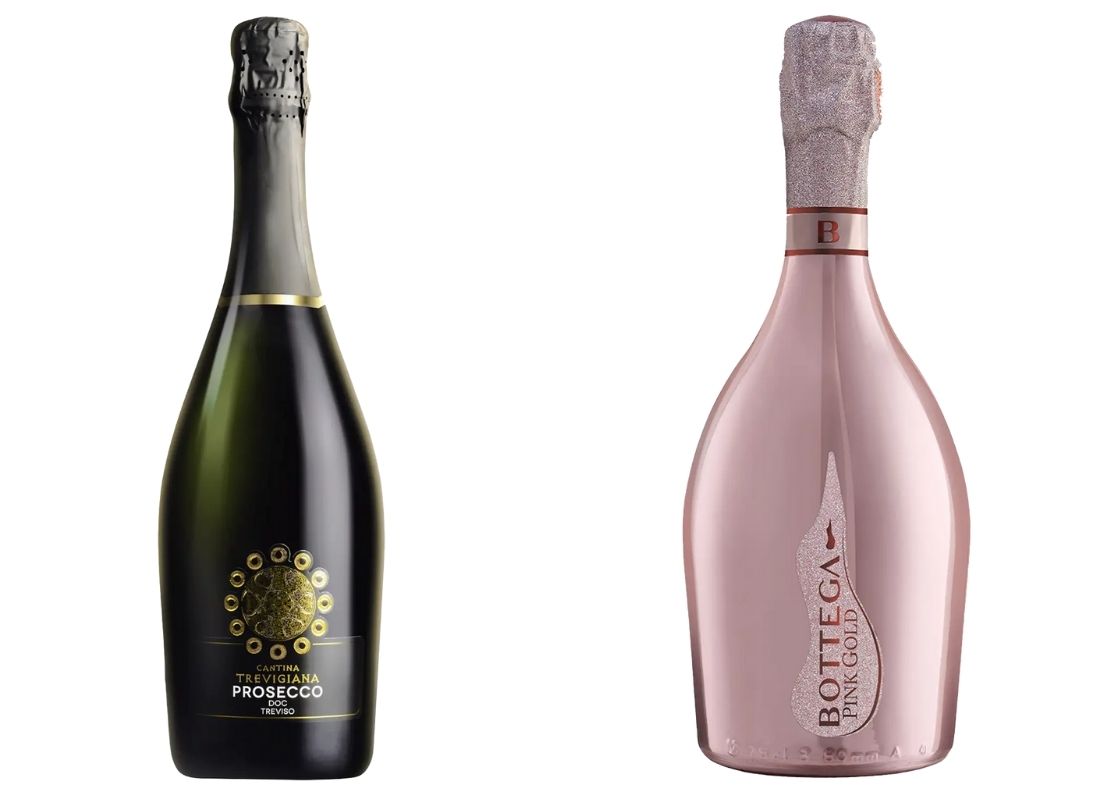
Cantina Trevigiana Prosecco Extra Dry: A fresh, easy-drinking prosecco with outstanding value for money. Light bubbles and notes of juicy pear and green apple make it perfect for a no-fuss aperitif. (SAQ, $14.45)
Bottega Pink Gold Prosecco 2024: This rosé prosecco charms with its delicate color and red berry flavours, combining freshness and elegance. The shimmering bottle instantly adds a festive touch to the table. (SAQ, $32)
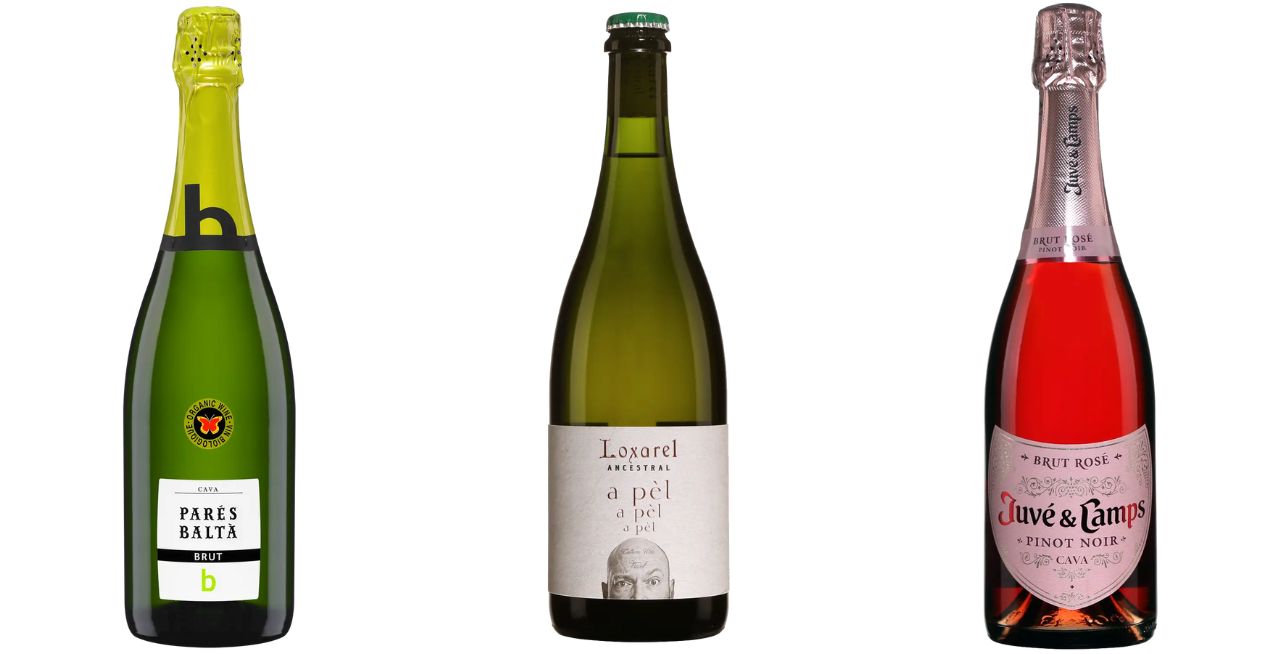
Parés Baltà Cava Brut: This organic cava stands out for its floral notes, green apple aromas and generous palate. An excellent match for tapas or a Mediterranean-inspired dish like an octopus salad. (SAQ, $18.75)
Loxarel A Pèl Ancestral Brut Nature 2022: A pét-nat from Penedès with a true brut nature style, offering crisp apple aromas and a lively texture. A favourite for fans of expressive, no-nonsense sparkling wines. (SAQ, $30.75)
Juvé y Camps Brut Cava Rosé: This organic rosé cava shines with aromas of wild strawberries and citrus, supported by vibrant bubbles and a lovely balance between freshness and roundness. (SAQ, $22.90)
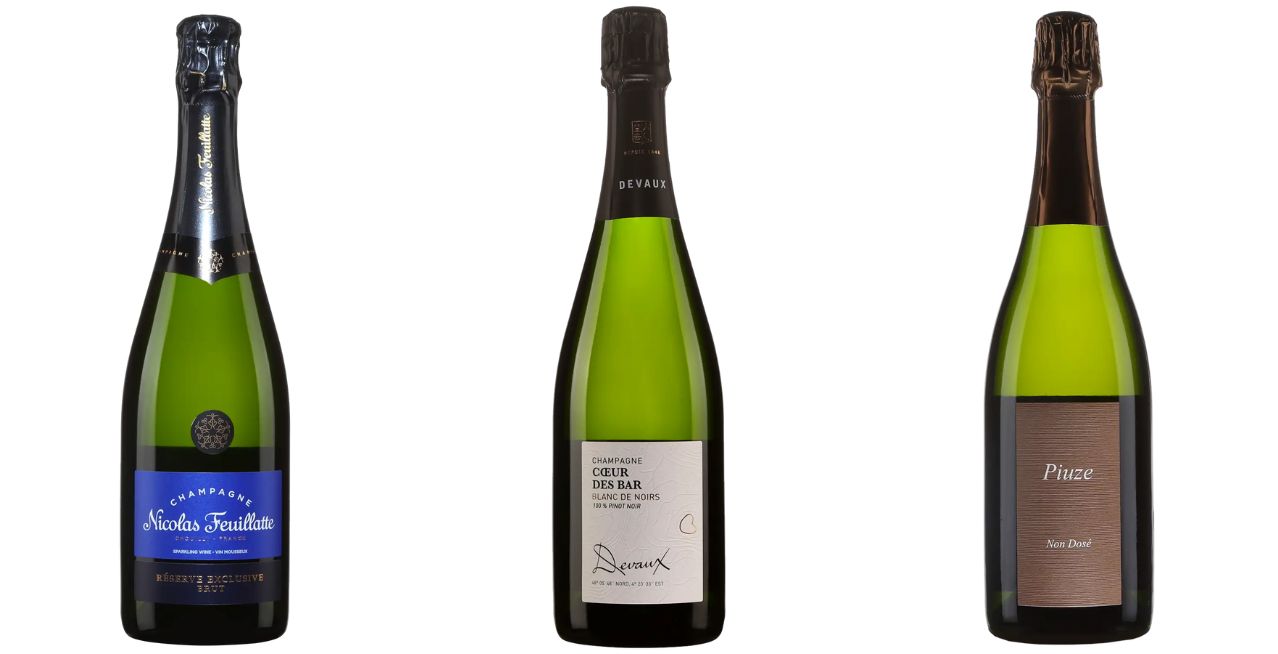
Nicolas Feuillatte Réserve Exclusive Brut: A modern champagne defined by its freshness, fine bubbles and notes of pear and brioche. An elegant champagne experience, even if it sits just above the $60 mark. (SAQ, $63)
Devaux Cœur des Bar Blanc de Noirs Brut: A refined champagne showcasing the power and finesse of pinot noir, with notes of brioche, ripe fruit and impressive length on the palate. (SAQ, $62.75)
Patrick Piuze Non-Dosé - Traditional Method: Produced in France by Quebec-born winemaker Patrick Piuze, this non-dosé sparkling wine focuses on precision and purity. Fine bubbles, a dry, taut profile and a clean finish make it ideal as an aperitif or with briny bites. (SAQ, $29.80)
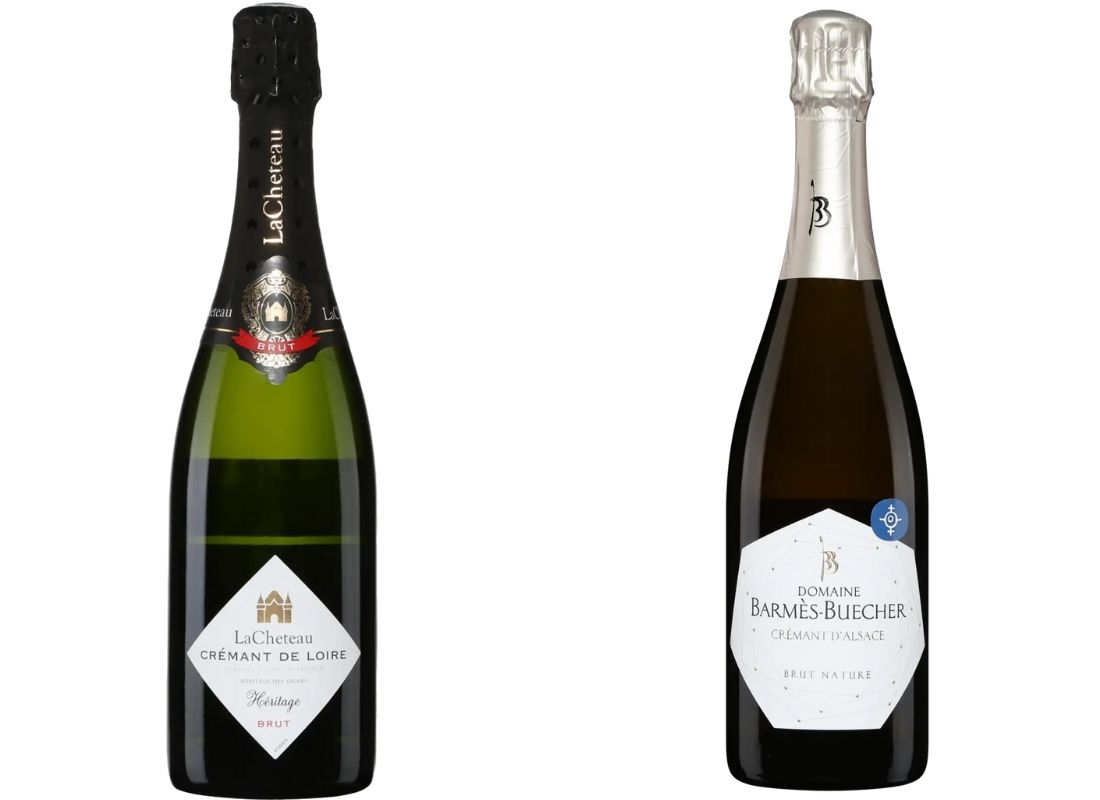
Lacheteau Crémant de Loire Brut: A delicate crémant from the Loire Valley, with lively effervescence and notes of green apple and white flowers. An excellent option under $20. (SAQ, $19.90)
Domaine Barmès-Buecher Crémant d'Alsace 2023: An elegant crémant with fine bubbles and aromas of pear, fresh almond and light brioche. A versatile choice for both special occasions and relaxed evenings. (SAQ, $38.75)

Marie-Noël Ouimet is a writer and content creator specializing in gastronomy, wine, and travel. She is the founder of the digital magazine Urbaine City, where for over 10 years she has been highlighting the pleasures of the table and the destinations that bring them to life. She also holds the WSET Level 3 certification in wines and spirits.