In Vienna, food is part of everyday life. You grab a quick bite at the market, linger for hours in cafés, return to classic neighbourhood taverns - and discover a contemporary dining scene that feels very much of its time.
Here is a selection of tried-and-tested addresses, spanning Viennese traditions, iconic cafés, and modern tables.
Good to know: many of these places are very popular. It's best to book for restaurants, especially in the evening and on weekends.
Grab-and-go bites
Naschmarkt
Vienna's best-known market, with more than 120 stalls, is an excellent starting point to sample the city's culinary diversity. Traditional produce stands, kiosks, and restaurants for a quick meal all sit side by side in a lively atmosphere.
Trzesniewski
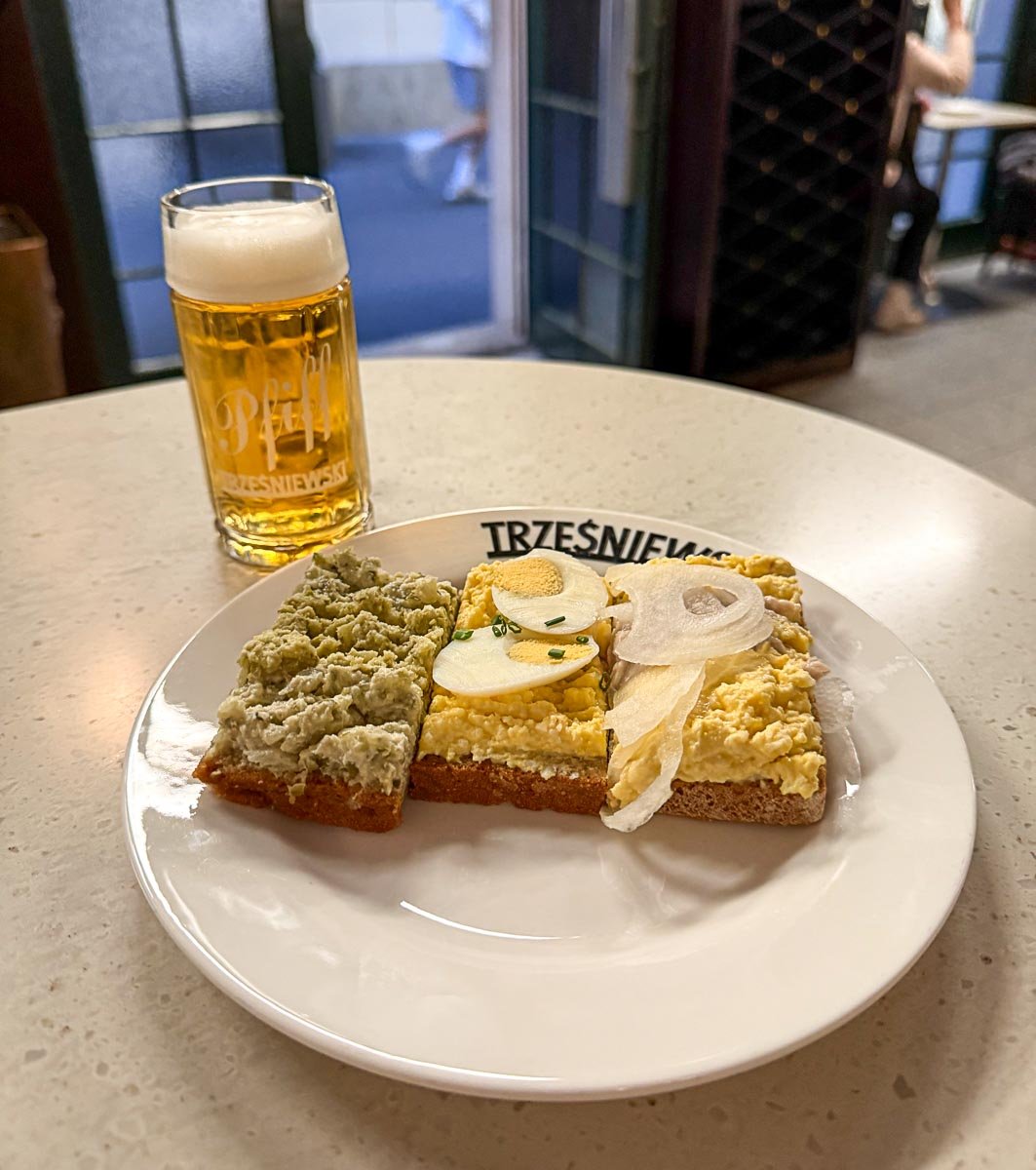
Photo: Marie-Noël Ouimet
A Viennese institution for over 120 years, Trzesniewski is known for its open-faced stuffed sandwiches, best paired with a Pfiff - a tiny local beer served in an 8 cl glass. The deliberately small size is perfectly suited to this typically Viennese grab-and-go lunch.
The spread recipes have been closely guarded since the beginning. Rumour has it the secret lies as much in the way the eggs are cooked as in the technique used to spread the toppings - always with a fork - giving the sandwiches their signature look.
Bacon and egg, anchovies, smoked fish, onions… The combinations are simple, effective, and have barely changed since opening. (Several locations.)
Karl & Otto
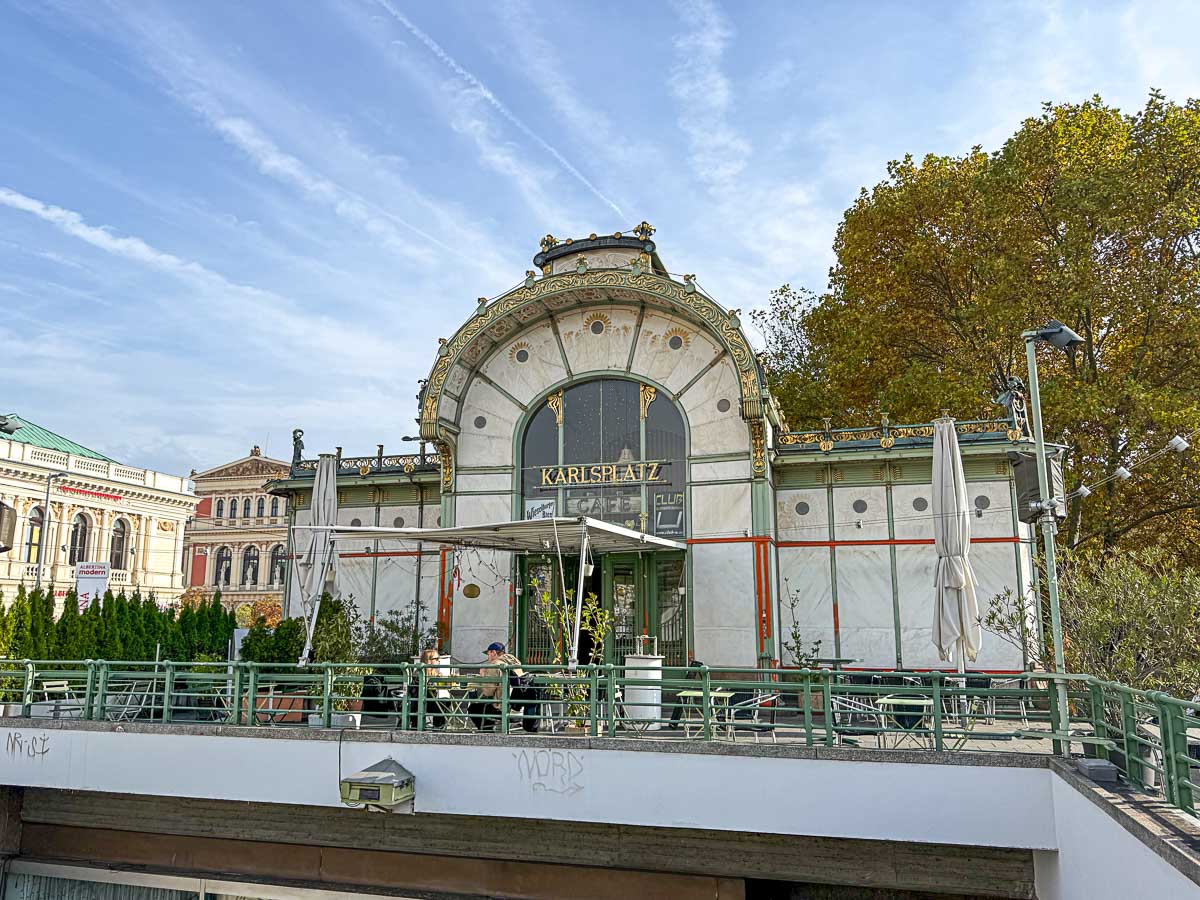
Photo: Marie-Noël Ouimet
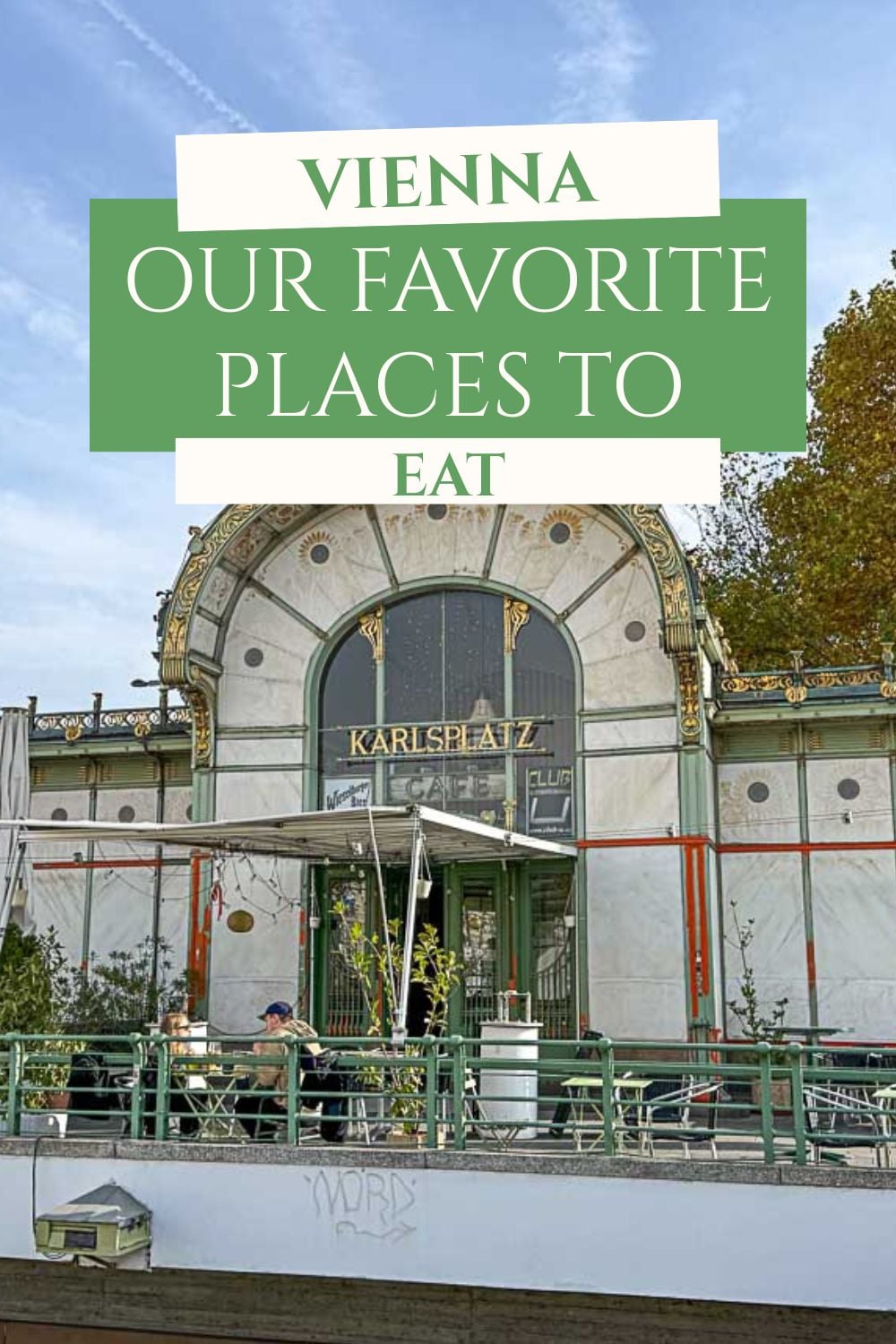
Set inside a Jugendstil pavilion designed by Otto Wagner on Karlsplatz, Karl & Otto blends historic architecture with contemporary brunch culture. Expect well-executed classics, good coffee, natural wines, and homemade cakes, in a bright and relaxed setting. (Karlsplatz, Obj U26, 1010 Vienna.)
Viennese cafés and pastries
Cafés are an institution in Vienna: you stay for a long time, somewhere between cake, newspapers, and Belle Époque atmosphere.
Vollpension
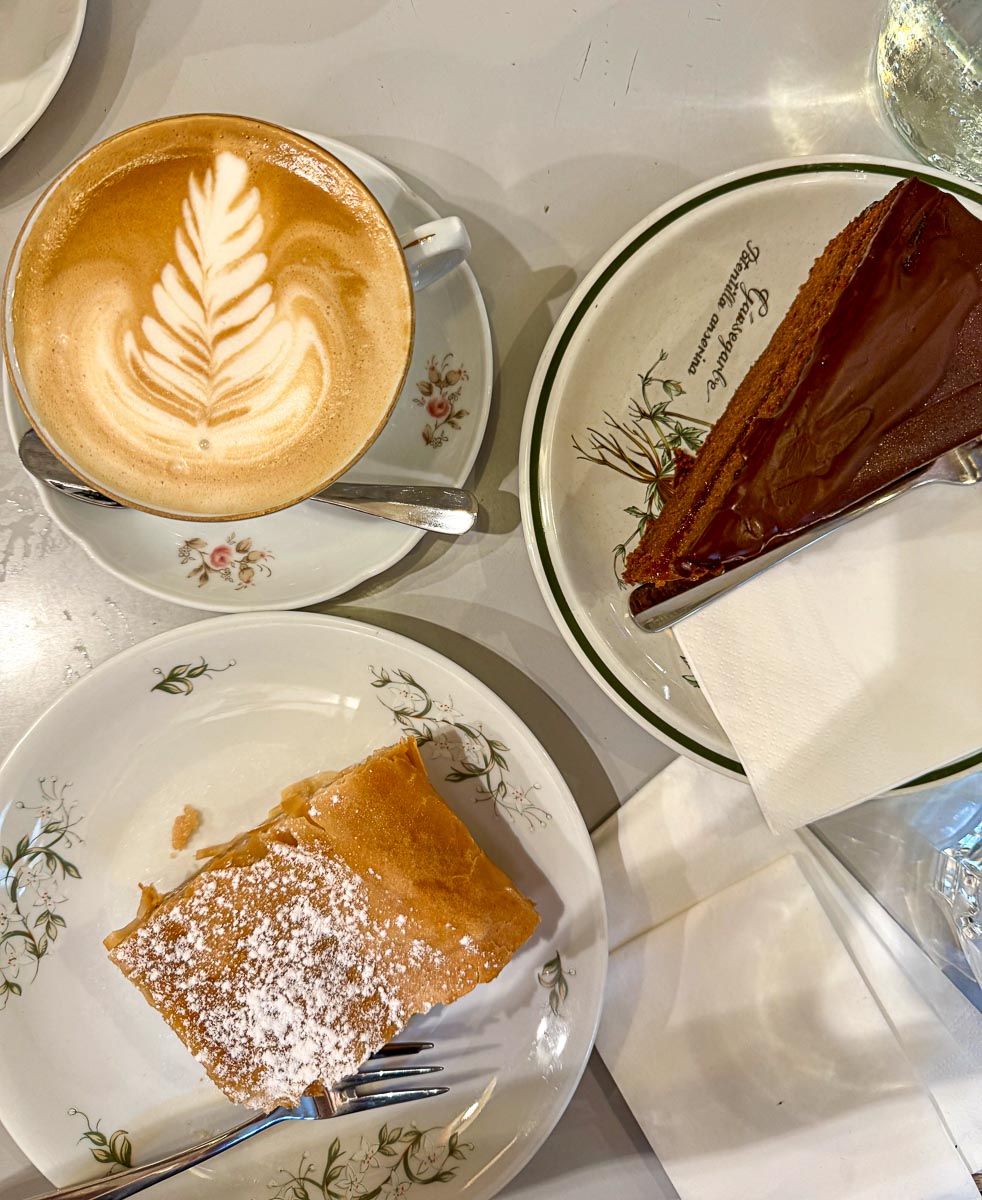
Photo: Marie-Noël Ouimet
Both a café and a social project, Vollpension is built around passing down traditions. Cakes are made by grandmothers and grandfathers using family recipes. It's a welcoming address with a quirky vintage décor, worth visiting as much for the vibe as for the pastries. (Schleifmühlgasse 16, A-1040 Wien)
Hotel Imperial
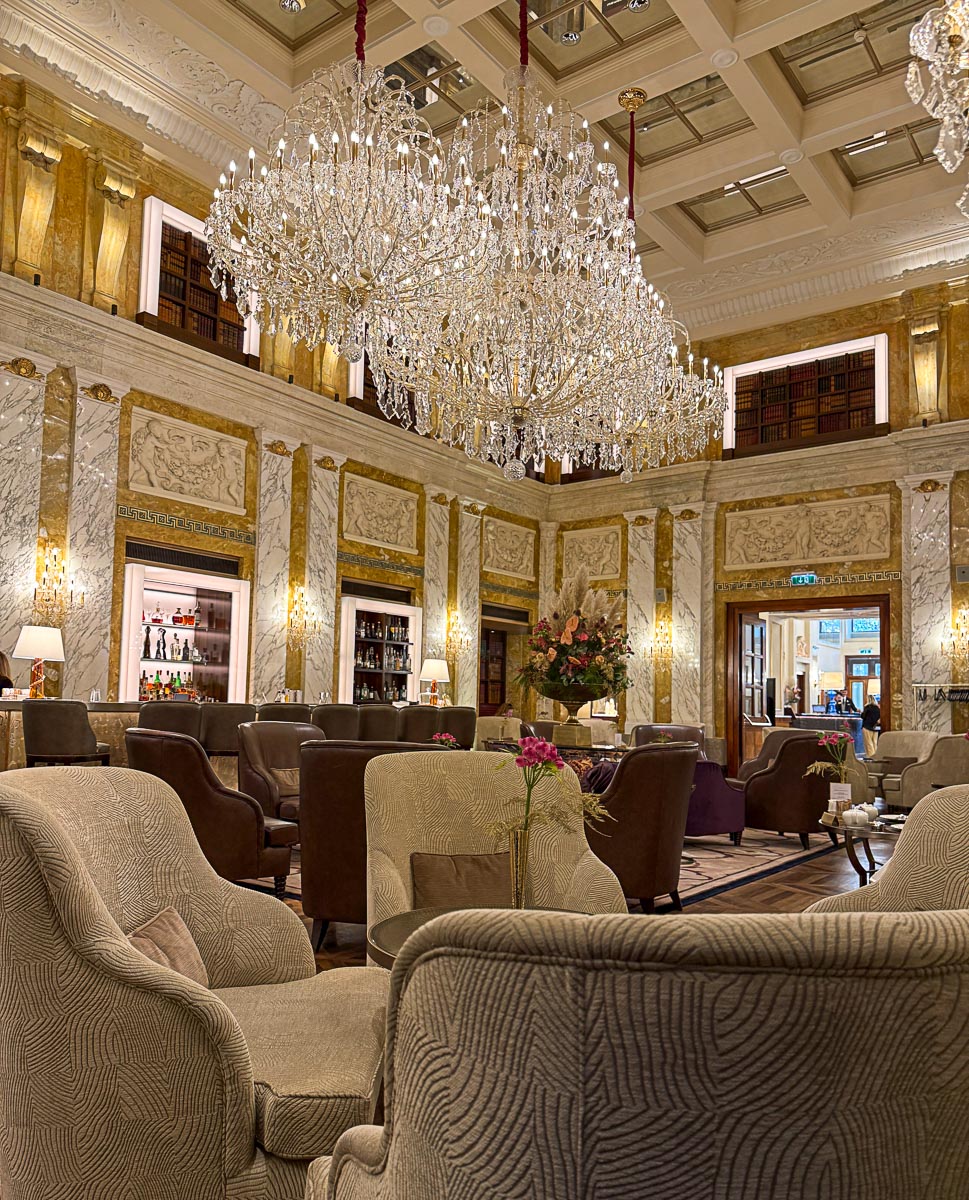
Photo: Marie-Noël Ouimet
At Hotel Imperial, people come above all for the Imperial Torte, the house signature cake created for the hotel's opening in 1873.
The recipe has remained secret since the beginning, and the cake is still handmade: thin layers of crisp almond, a delicate chocolate cream, and a marzipan coating, finished with imperial icing and its chocolate medallion.
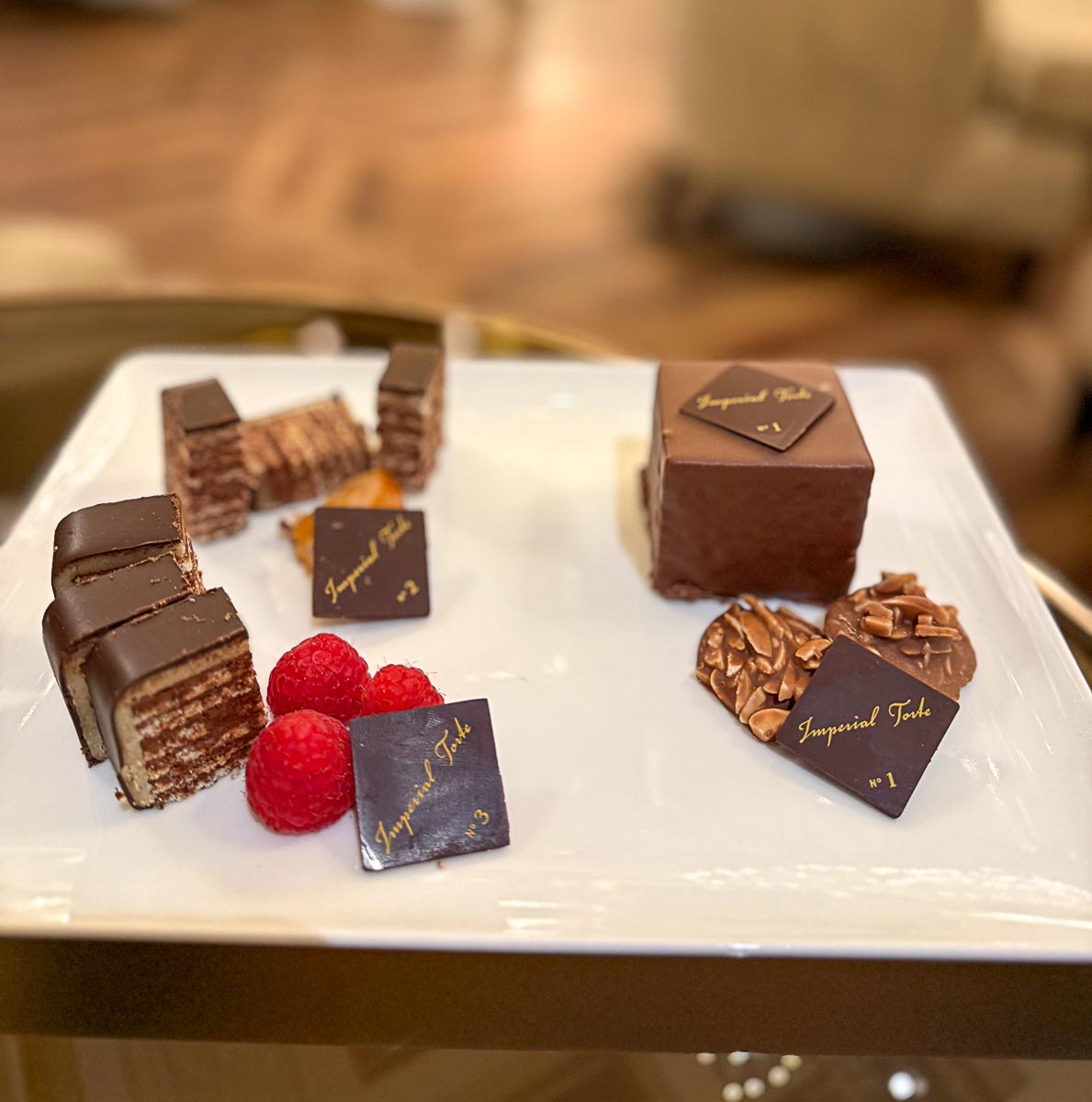
Photo: Marie-Noël Ouimet
Citrus, coffee, and raspberry versions are also available. (Kärntner Ring 16, 1010 Wien)
Café Schwarzenberg
Considered the oldest café on the Ringstraße, Schwarzenberg embodies the classic Viennese coffeehouse. Banquettes, newspapers, unhurried pace - an ideal place to soak up the atmosphere. (Kärntner Ring 17, 1010 Vienna)
Demel K. & K. Hofzuckerbäcker
Meticulous window displays and refined pastries: Demel K. & K. Hofzuckerbäcker has been one of Vienna's great pastry houses since the 19th century. Often associated with Sachertorte, the house stands out above all for the breadth of its expertise, with a wide selection of cakes, pastries, and confections. You can also try palatschinken, Vienna's traditional thin pancakes, delicately filled.
For a long time, Demel and Café Sacher Wien both claimed to be the original creator of the Sachertorte, until a court ruling granted Café Sacher the official right to use the name "Original Sachertorte." (Kohlmarkt 14, 1010 Vienna)
Taverns and restaurants
Craving tradition? Head to a wirtshaus. For a more modern take (often with sharper execution), contemporary tables do an excellent job bridging Austrian cuisine and modernity.
Gmoakeller
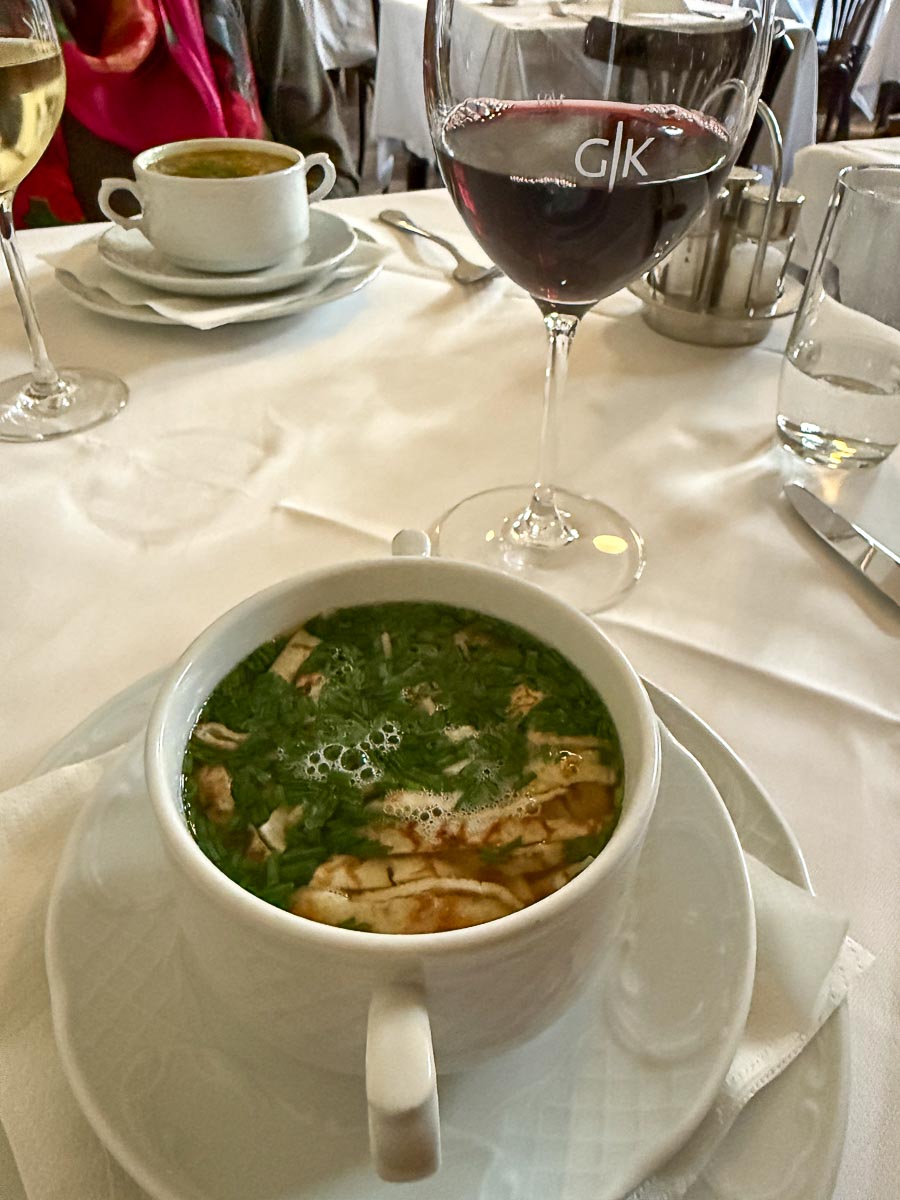
Photo: Marie-Noël Ouimet
Founded in 1858, Gmoakeller is a landmark Viennese wirtshaus near the Ringstraße, welcoming both locals and visitors.
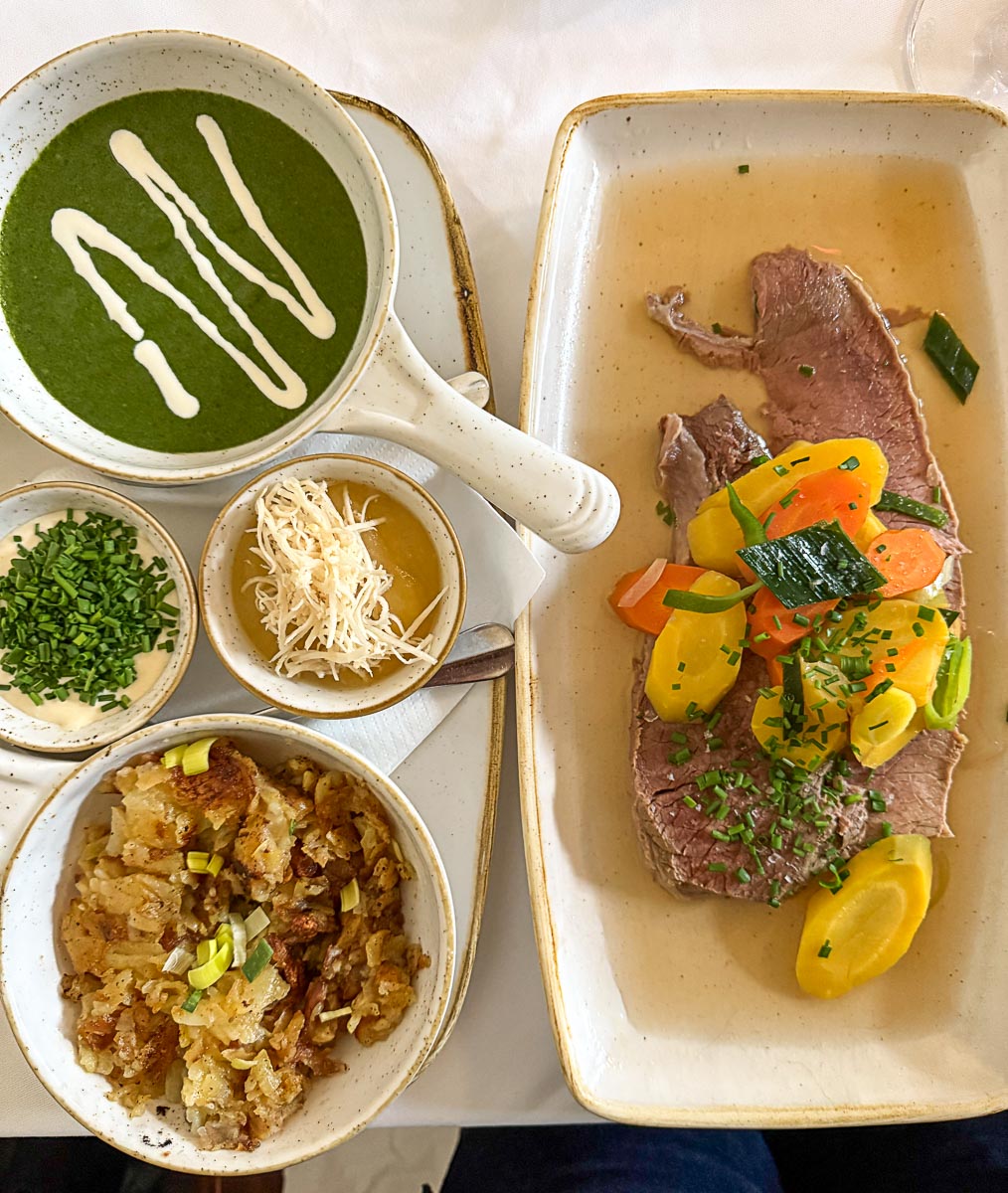
Photo: Marie-Noël Ouimet
You come here for Austrian classics - Tafelspitz, schnitzel, slow-cooked dishes - in a warm setting, paired with local wines. (Am Heumarkt 25, 1030 Vienna)
Skopik & Lohn
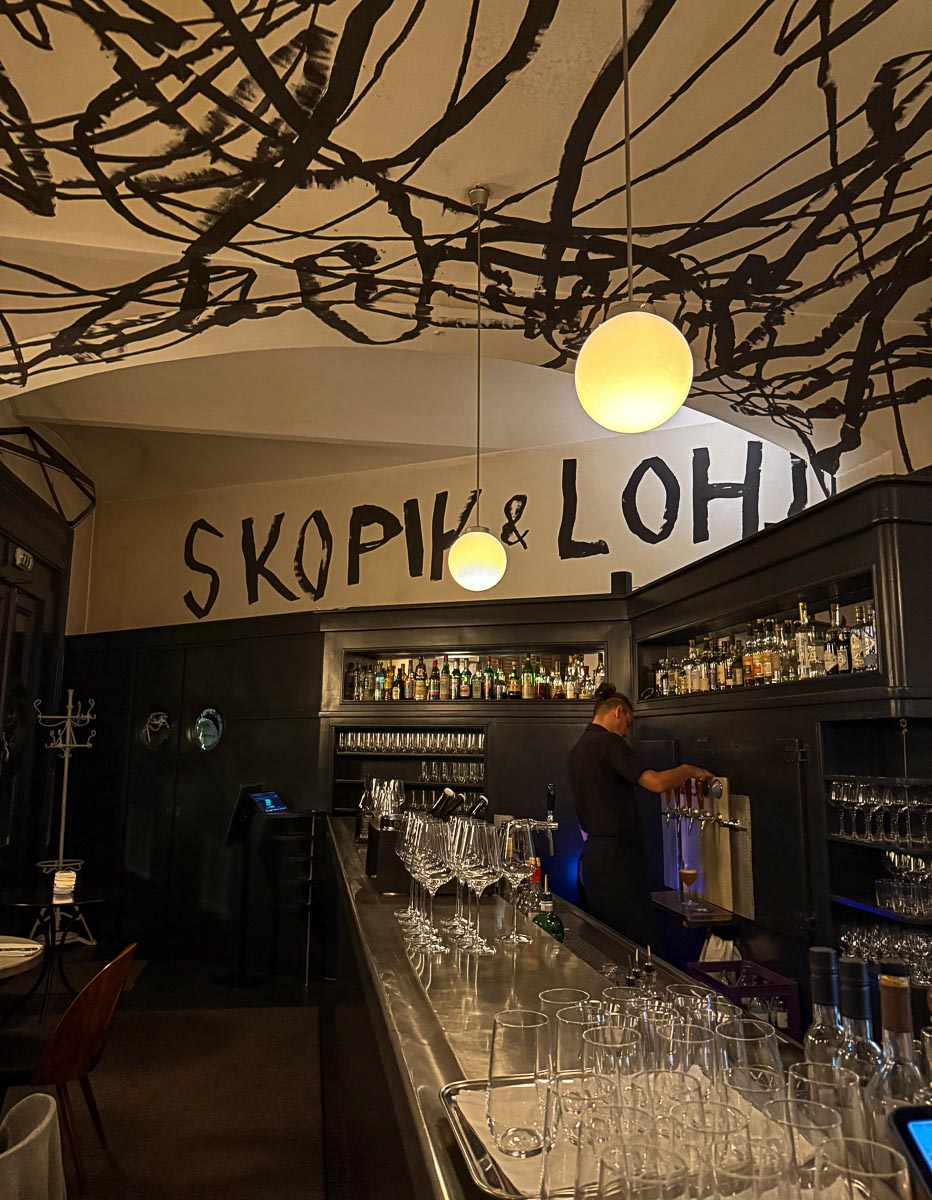
Photo: Marie-Noël Ouimet
In the 2nd district, Skopik & Lohn offers a contemporary approach to Austrian cooking.
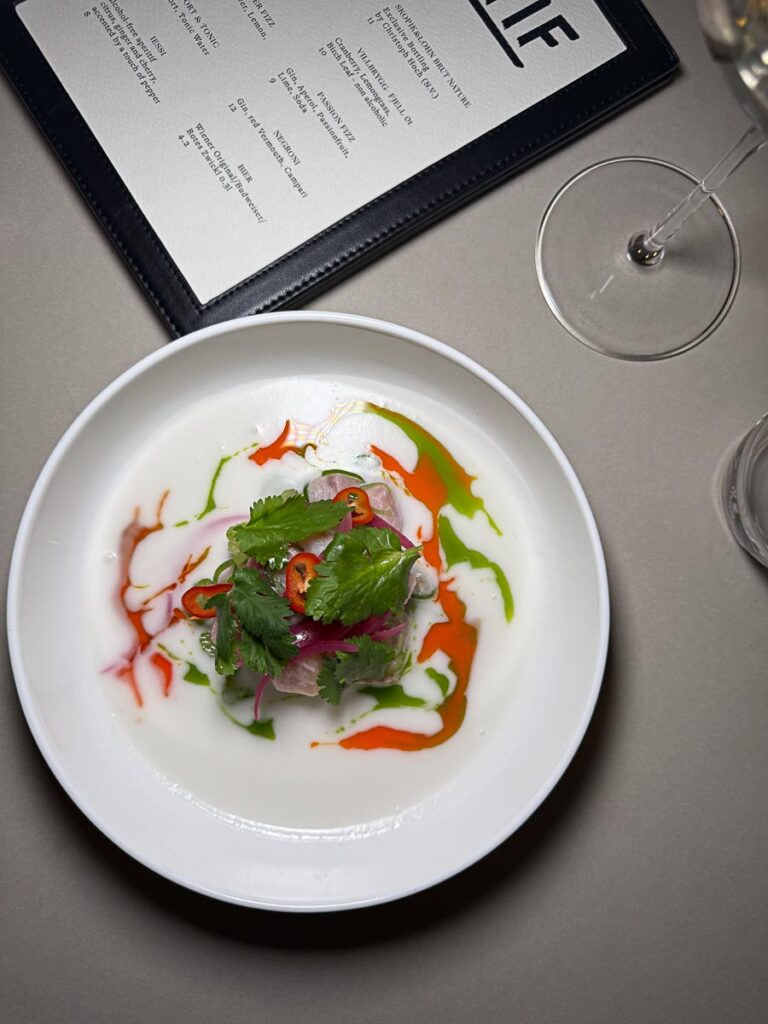
Photo: Marie-Noël Ouimet
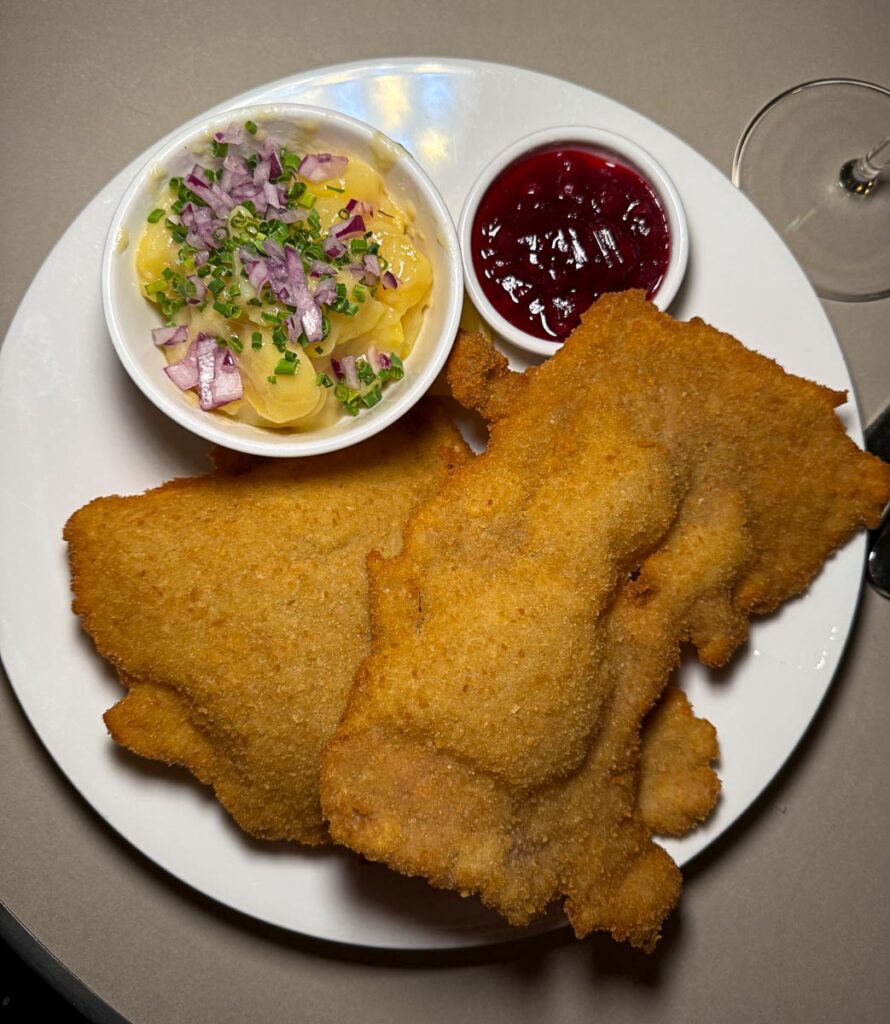
Photo: Marie-Noël Ouimet
The atmosphere is lively, and the décor features a ceiling painted by Otto Zitko. The schnitzel is excellent, alongside updated classics and bolder creations.(Leopoldsgasse 17, 1020 Vienna)
Austrian wines are well worth exploring - and Vienna even has its own vineyards right at the city's edge. Of course, Heuriger wine taverns are part of the experience. But for a more gastronomic approach, here are two spots where you can taste some of Austria's best wines in an elegant setting, with precise cooking.
Restaurant LARA
Open all day, LARA offers seasonal cuisine that highlights vegetables and is designed for sharing, in an atmosphere that is both elegant and understated.(Passauer Platz 2, 1010 Vienna)
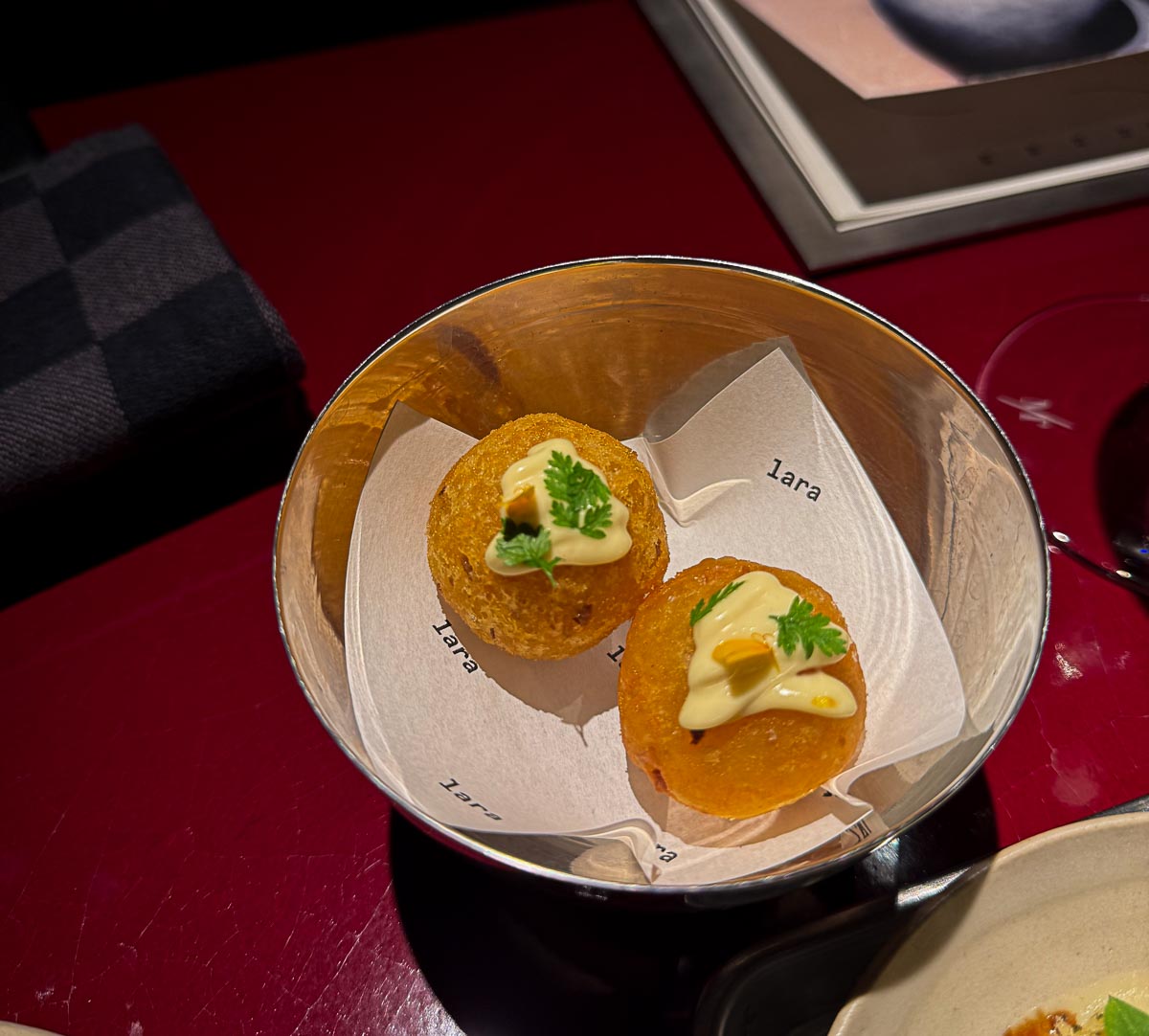
Photo: Marie-Noël Ouimet
MAST Weinbistro
Founded by two sommeliers, MAST Weinbistro shines a spotlight on organic and biodynamic wines, with a carefully curated natural selection - without limiting itself to Austria. No endless wine list here: each bottle is chosen on instinct and through encounters in the vineyards, then paired with local, seasonal cooking that is precise and elegant. A top address for wine lovers. (Porzellangasse 53 1090 Wien)
Heading to Vienna, Austria? These websites will make planning your trip easier.
🏨 Find your perfect hotel
Discover beautiful places to stay with Booking.com, close to Vienna's must-see sights.
🎭 Plan your activities
Explore Vienna with GetYourGuide! Join guided tours to discover its vibrant culture.
🚗 Rent
a car
Explore Austria at your own pace with Expedia. Rent a car and take in its breathtaking landscapes.
The author was hosted by the Vienna Tourist Board, which had no editorial control over the content.
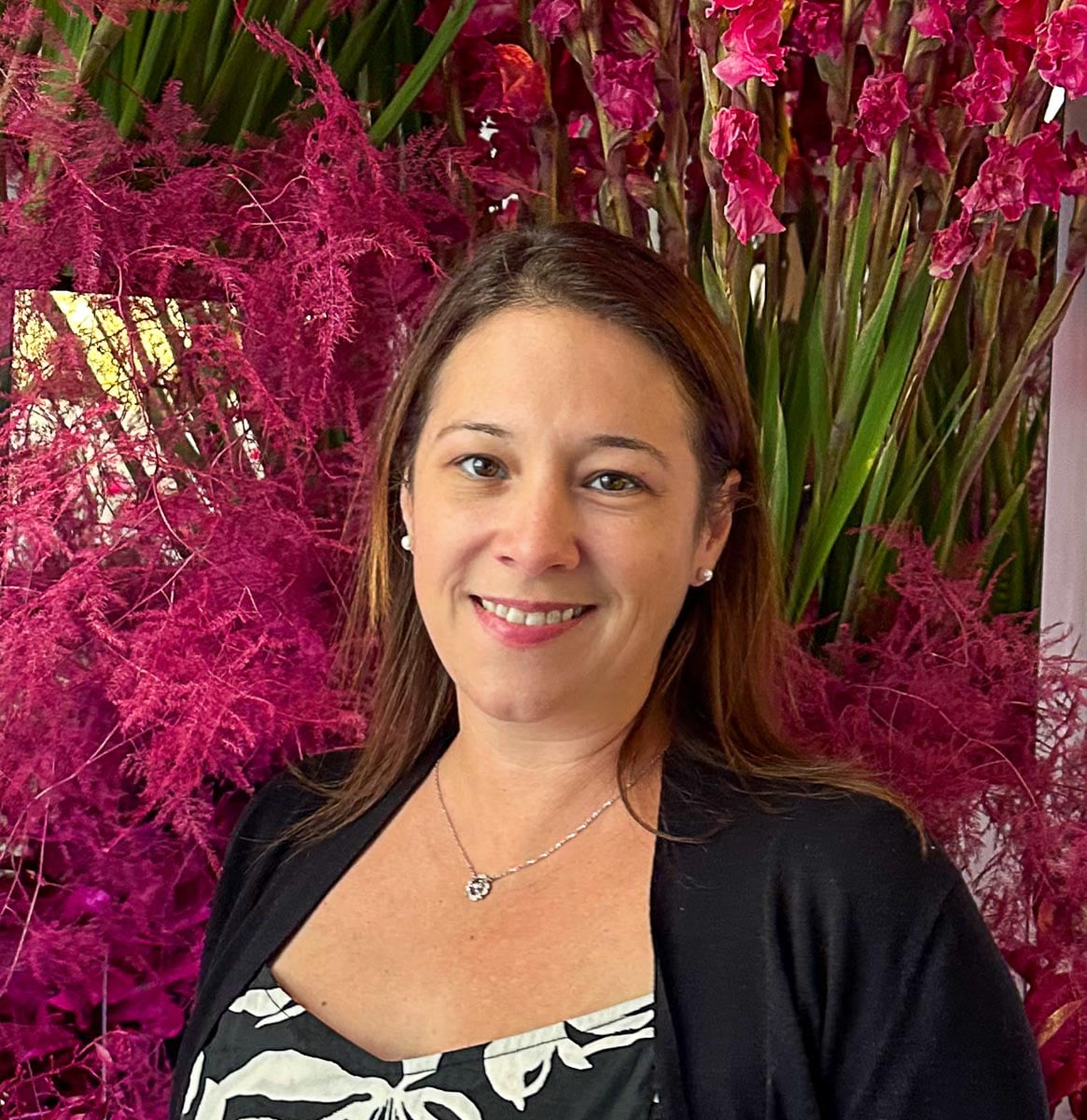
Marie-Noël Ouimet is a writer and content creator specializing in gastronomy, wine, and travel. She is the founder of the digital magazine Urbaine City, where for over 10 years she has been highlighting the pleasures of the table and the destinations that bring them to life. She also holds the WSET Level 3 certification in wines and spirits.