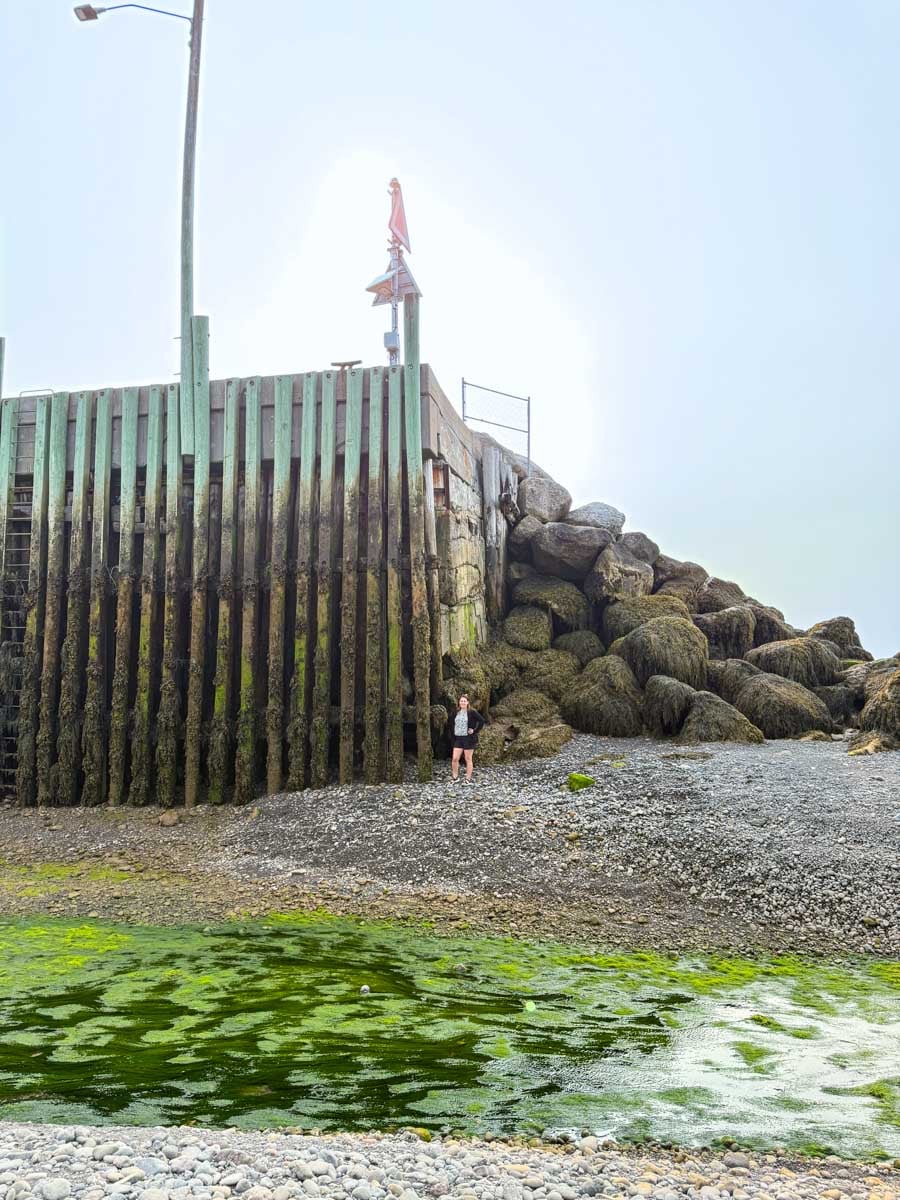
About an hour's drive from Halifax, the Annapolis Valley offers a landscape shaped by some of the highest tides in the world. Here, the Bay of Fundy dramatically transforms the scenery twice a day, revealing submerged docks at high tide and exposed ocean floor just hours later.
Still relatively under the radar compared to other wine regions, Annapolis Valley is quickly emerging as one of the most interesting destinations in Canada for cool-climate wines. Around Wolfville, a dynamic food and wine scene revolves around a distinctive local style, best represented by Tidal Bay wines.
Easy to explore by car, the region is ideal for a road trip combining wineries, great food and scenic coastal stops.
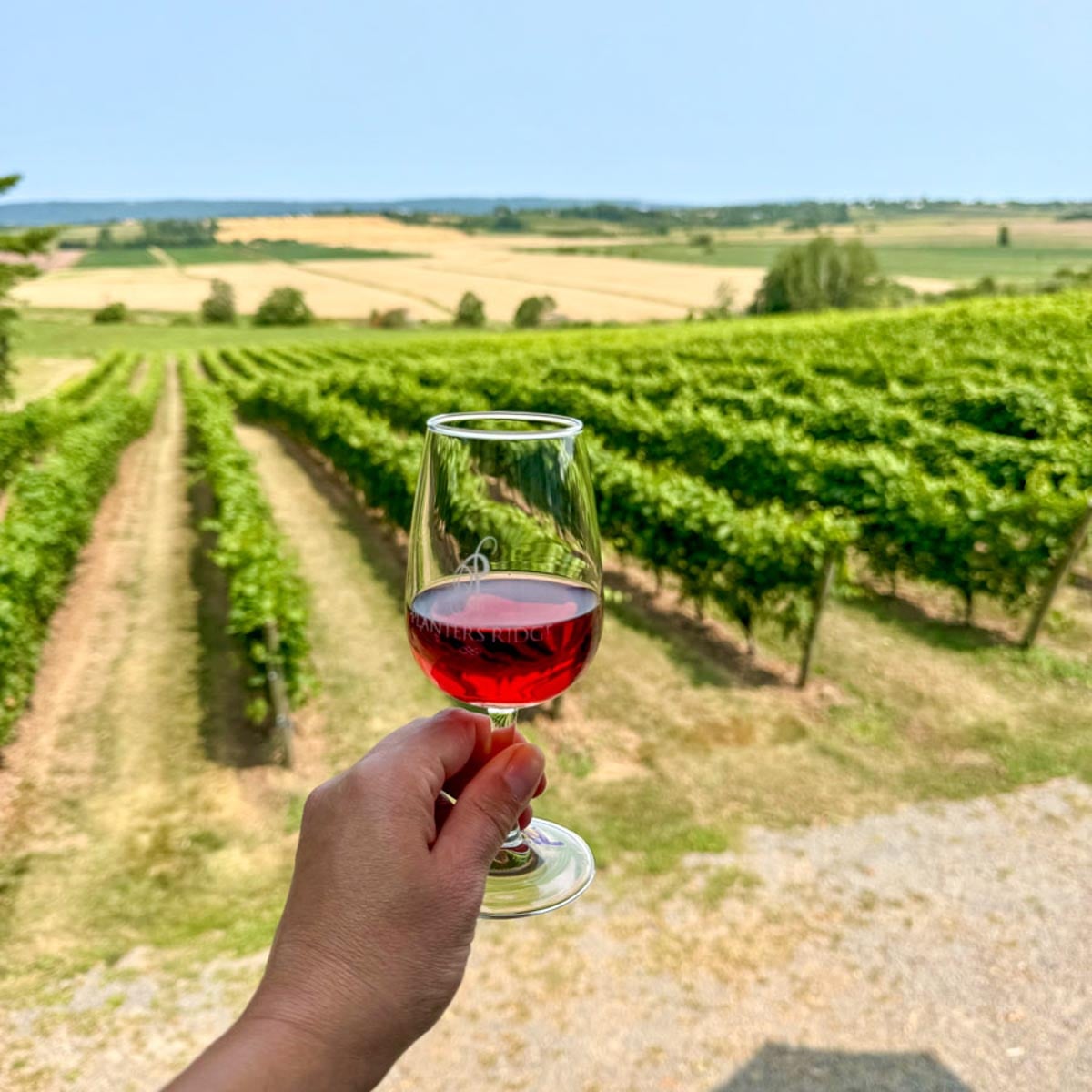
Photo: Marie-Noël Ouimet
Why Visit Annapolis Valley
Located at roughly the same latitude as Bordeaux, Annapolis Valley benefits from a cool climate moderated by the ocean. This results in a slow ripening process and wines that are precise, fresh and defined by vibrant acidity.
The region gained recognition with the creation of the Tidal Bay designation in 2012, the first official appellation in Nova Scotia.
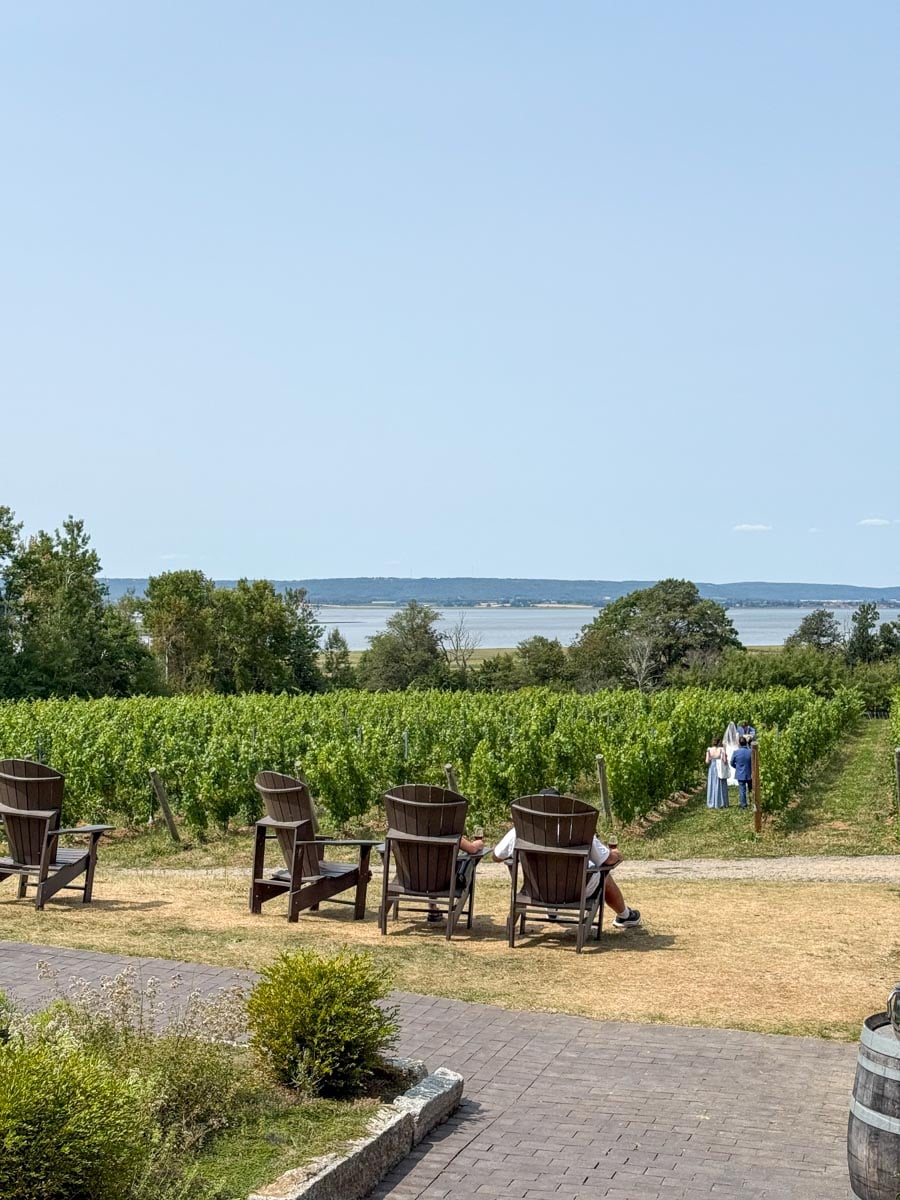
Photo: Marie-Noël Ouimet
These white wines, true expressions of the local terroir, are known for their bright acidity, aromatic profile, mineral character and an occasional saline finish.
Unsurprisingly, they pair exceptionally well with the region's seafood.
The appellation is governed by strict rules:
- 100% Nova Scotia-grown grapes
- maximum 11% alcohol
- blind tasting approval for each vintage
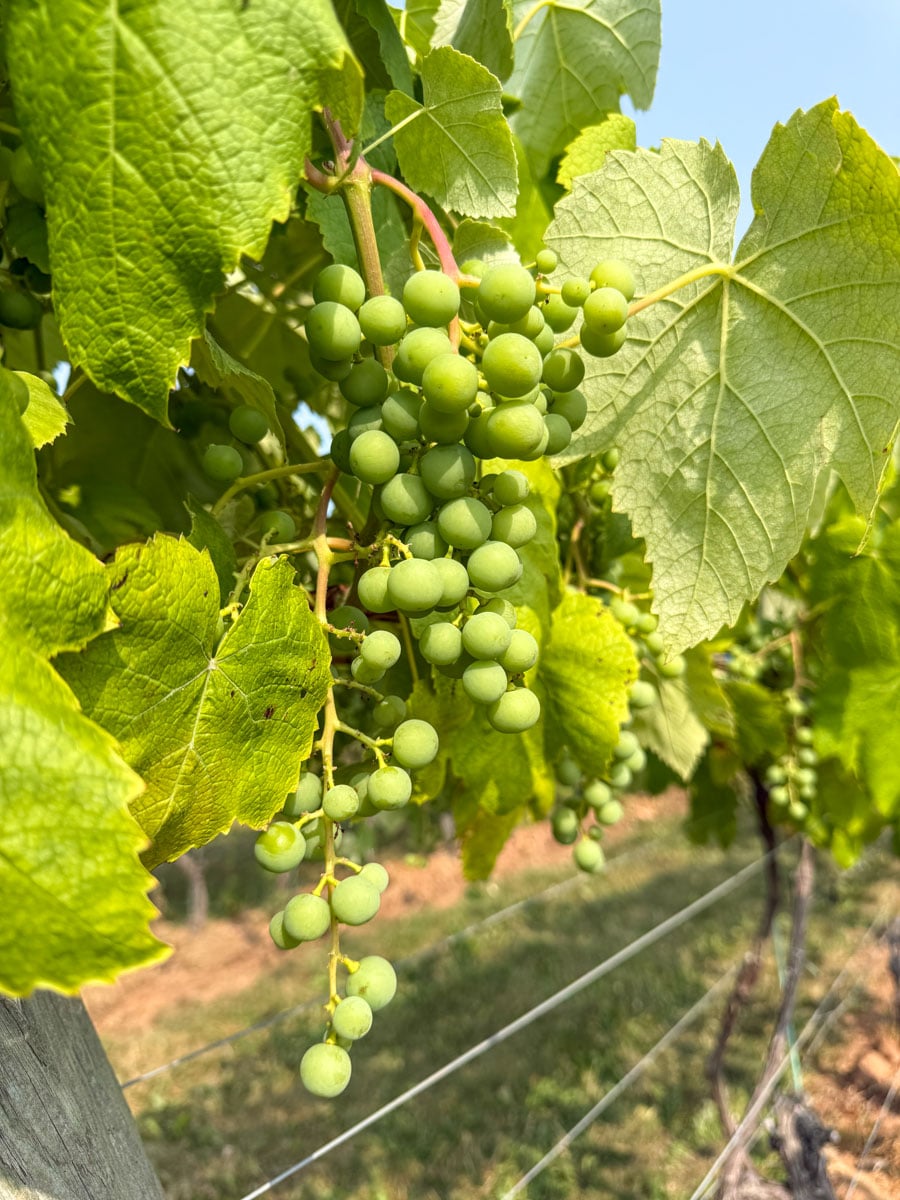
Blends are typically based on cold-hardy grape varieties such as L'Acadie Blanc, Seyval and Vidal, with Riesling, Chardonnay or Pinot Gris sometimes included.
You will also like
Which Wineries to Visit in Annapolis Valley
During my visit in August, I explored several wineries that highlight the diversity of the region. These are the ones worth prioritizing.
Benjamin Bridge Winery
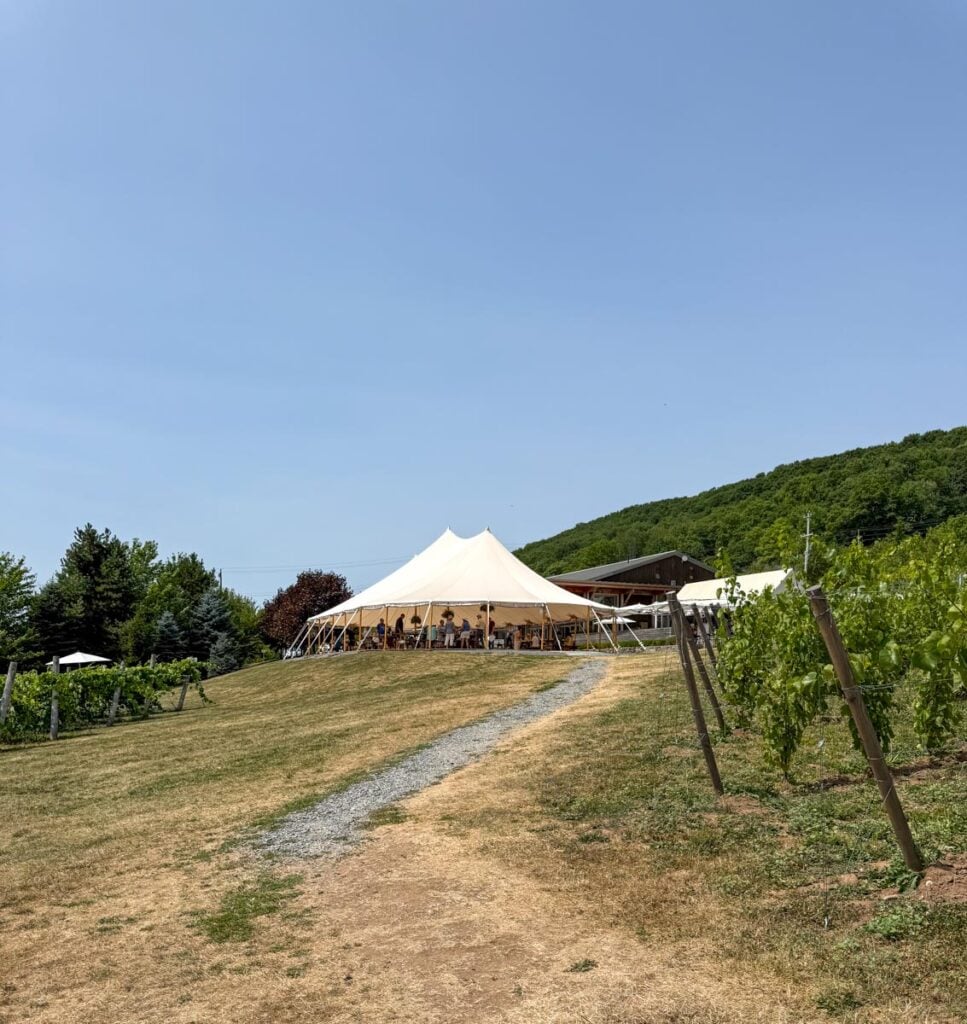
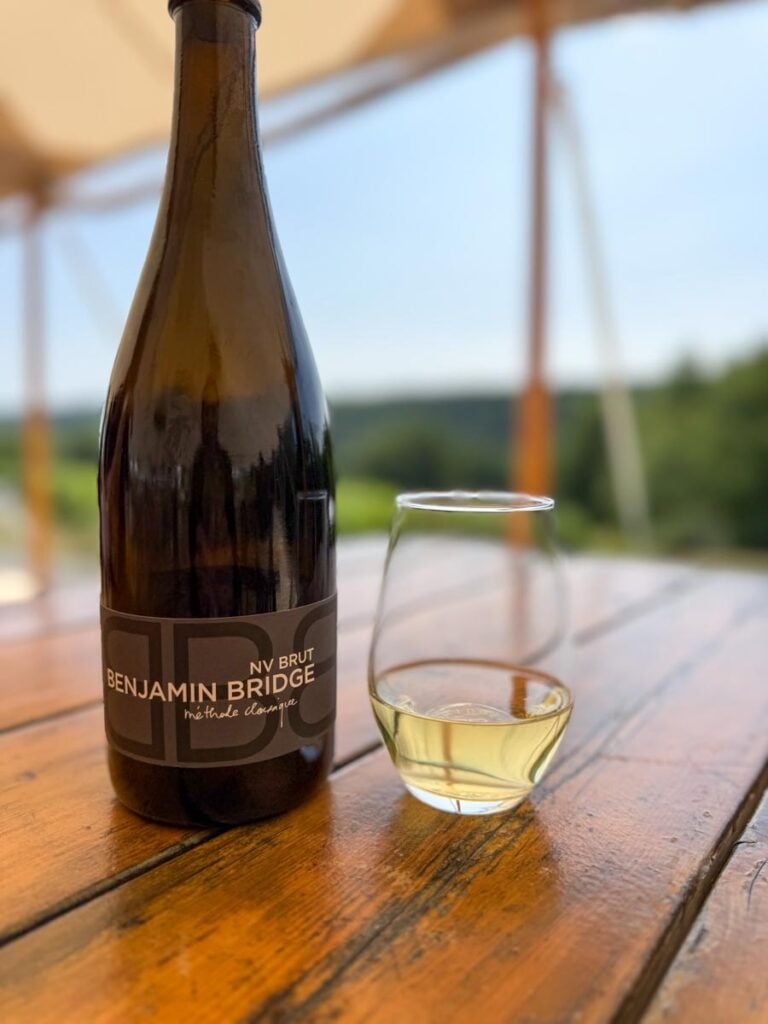
A benchmark for sparkling wine in Nova Scotia. Their Nova 7, slightly effervescent and highly aromatic, helped put Nova Scotia wines on the map. The winery also excels in traditional-method sparkling wines with precision and structure.
- Notable: Certified B Corp
- Open year-round
- Visit: self-guided or guided tastings, including experiences such as Bubbles & Bites
- Seasonal menu on site (small plates and charcuterie boards)
- Large outdoor terrace Open year-round
- More info - Website
Lightfoot & Wolfville Vineyards
A must-visit for both wine and food.
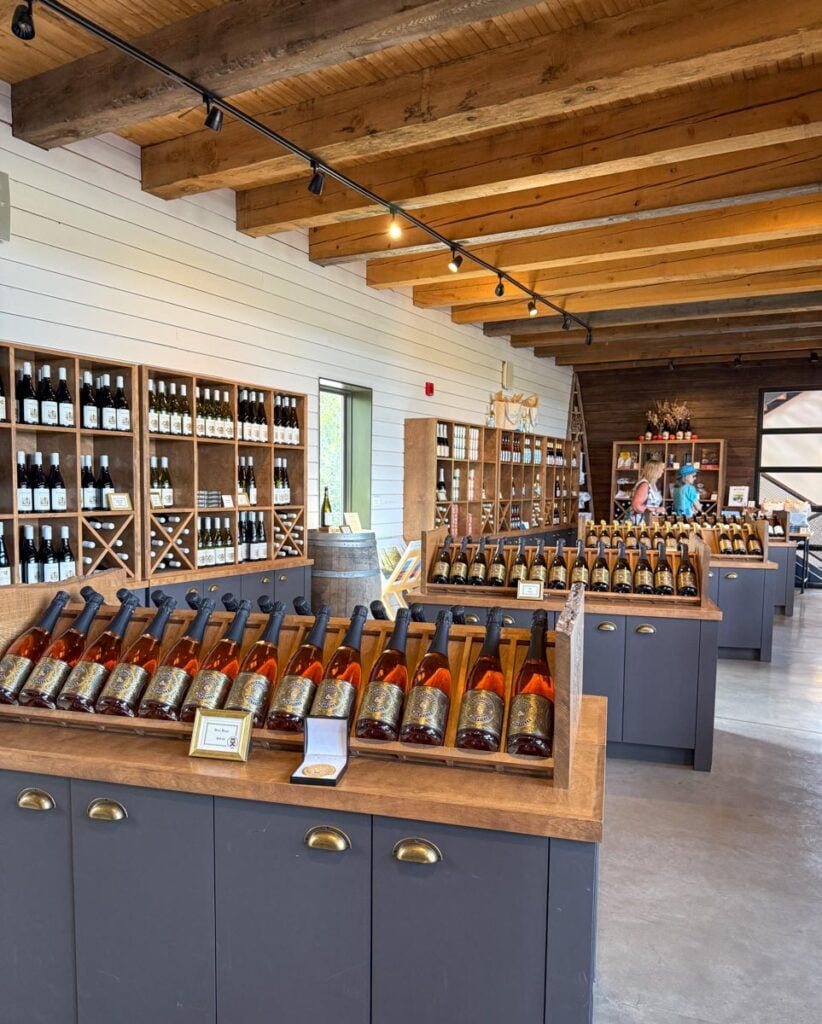
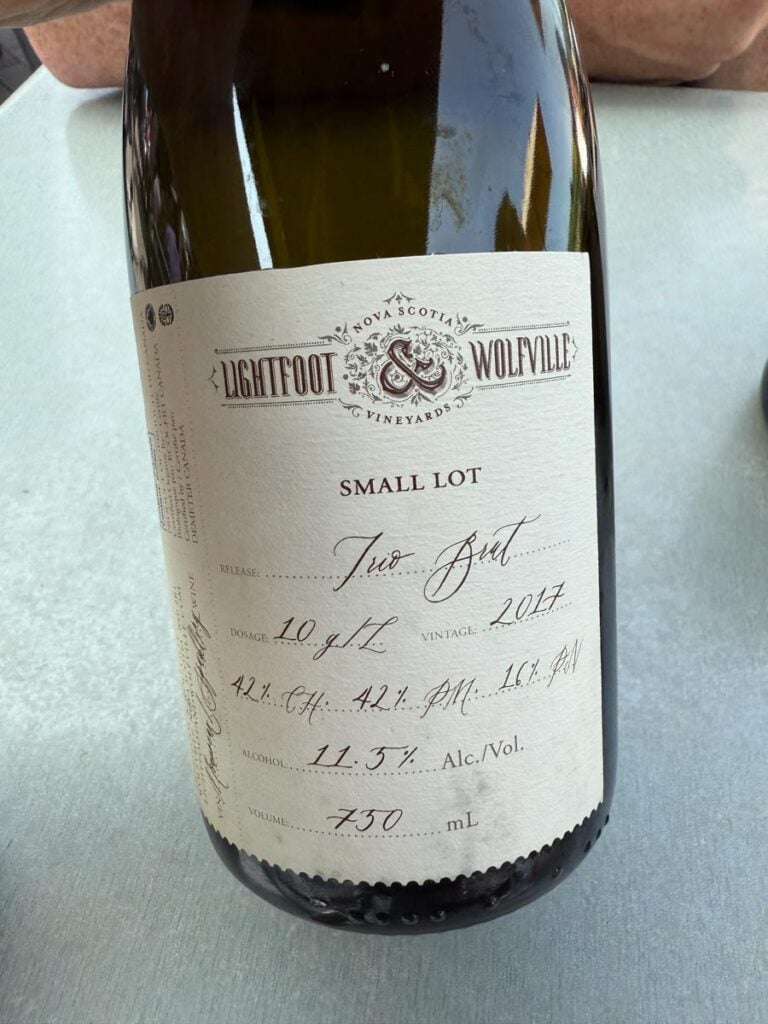

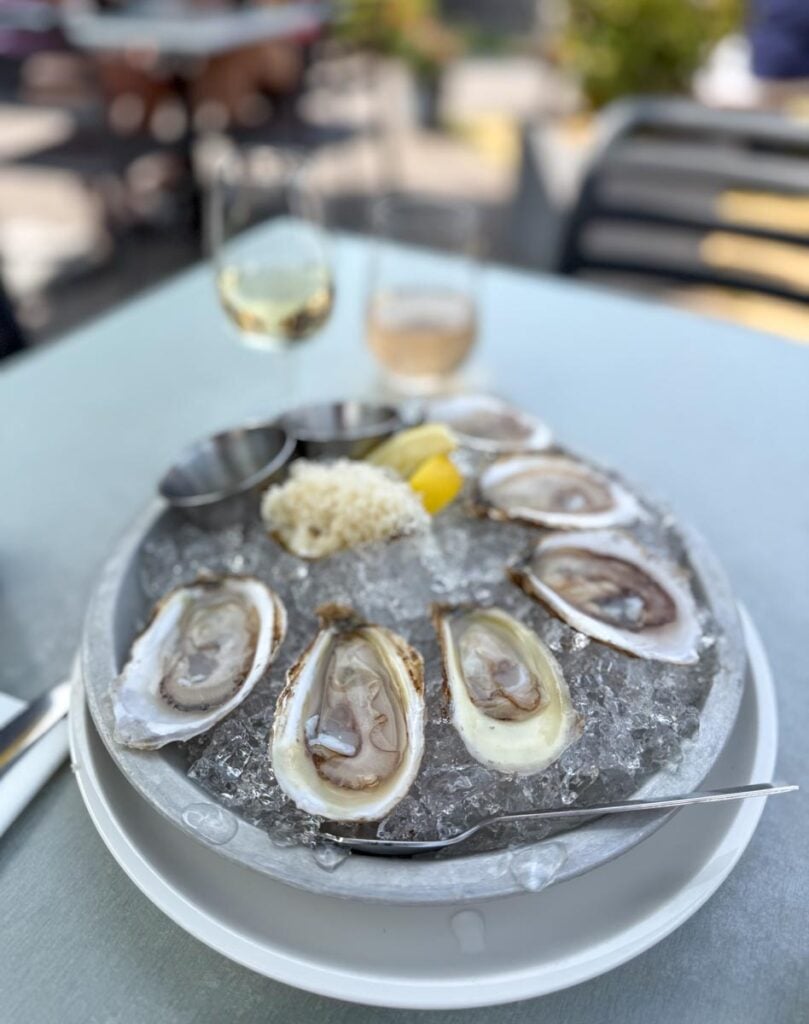
Don't miss the terrace overlooking the vineyards and the bay, one of the standout stops in the region. On the food side, oysters, wood-fired pizzas and seasonal dishes pair perfectly with the wines.
- Certified organic and biodynamic, this is one of the most complete experiences in the region.
- Open year-round
- Visit: walk-in tastings available in the tasting room
- Restaurant on site
- Terrace overlooking the vineyard and the bay
- More info - Website
Grand Pré Vineyard
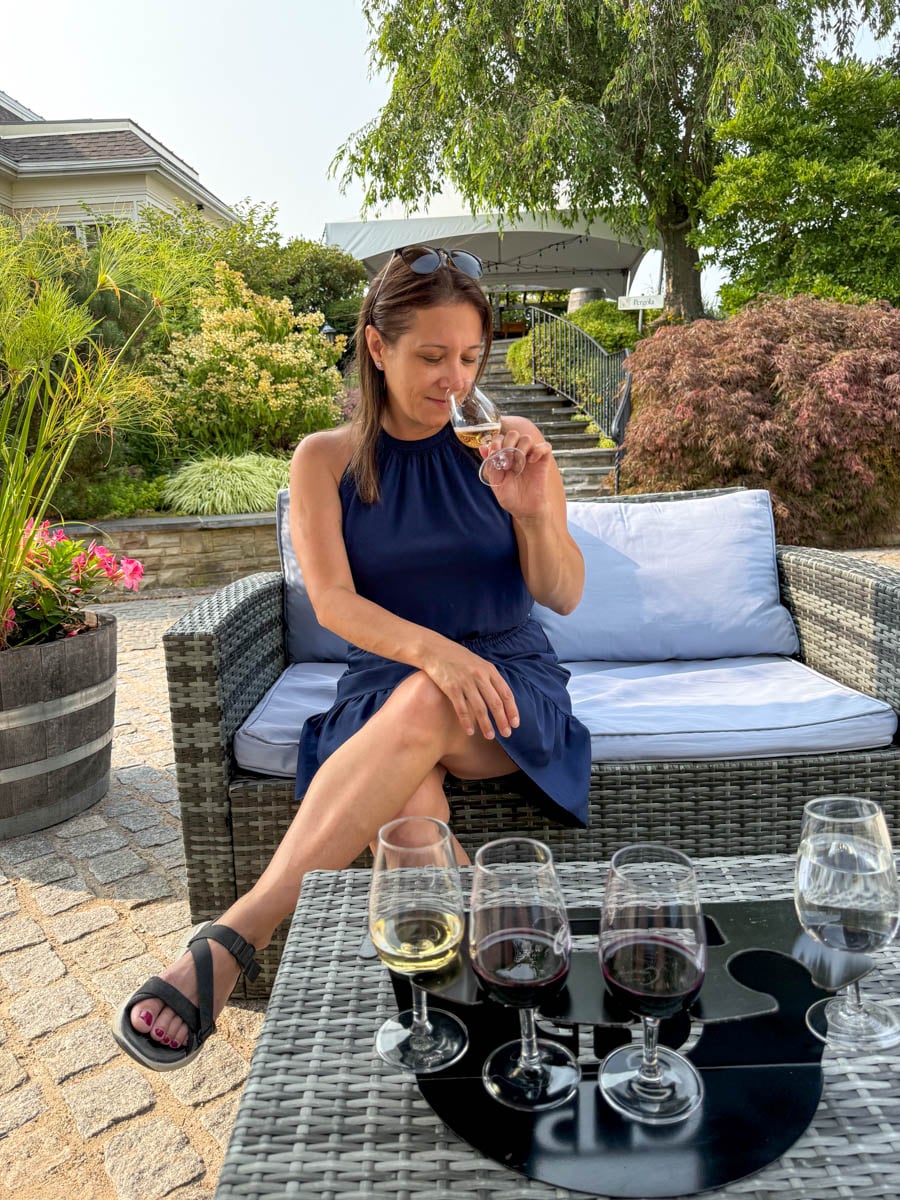
Founded in 1979, it is the oldest winery in Atlantic Canada. Visitors come as much for the wine as for Le Caveau Restaurant, known for its seasonal cuisine.
- On-site restaurant and accomodations
- Open year-round
- Visit: self-guided tastings or guided tours including a tasting
- More info - Website
L'Acadie Vineyards
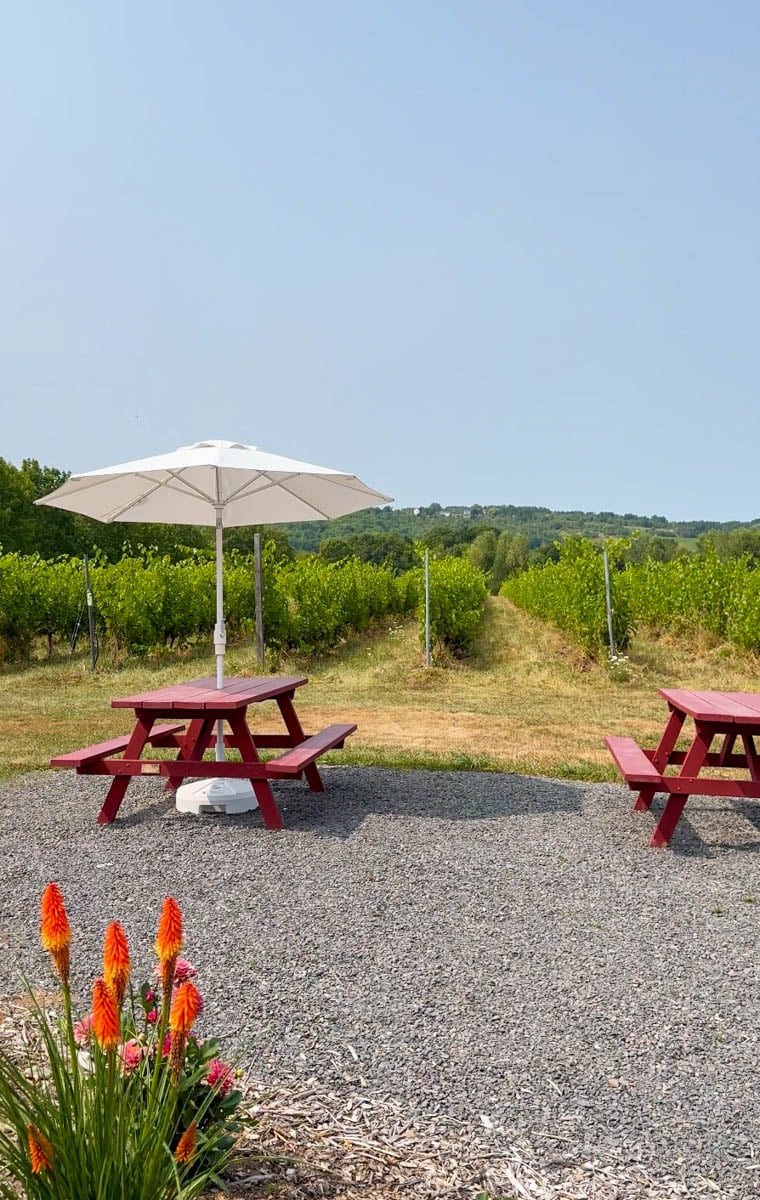
Photo: Marie-Noël Ouimet
A more intimate experience focused on sparkling wines. Their Prestige Brut Estate and La Vie en Rose showcase the winery's style: clean, vibrant and approachable.
- First certified organic vineyard in Nova Scotia, geothermal winery
- Private and guided tastings available
- Terrasse avec vue sur la vallée
- More info - Website
Planters Ridge Winery
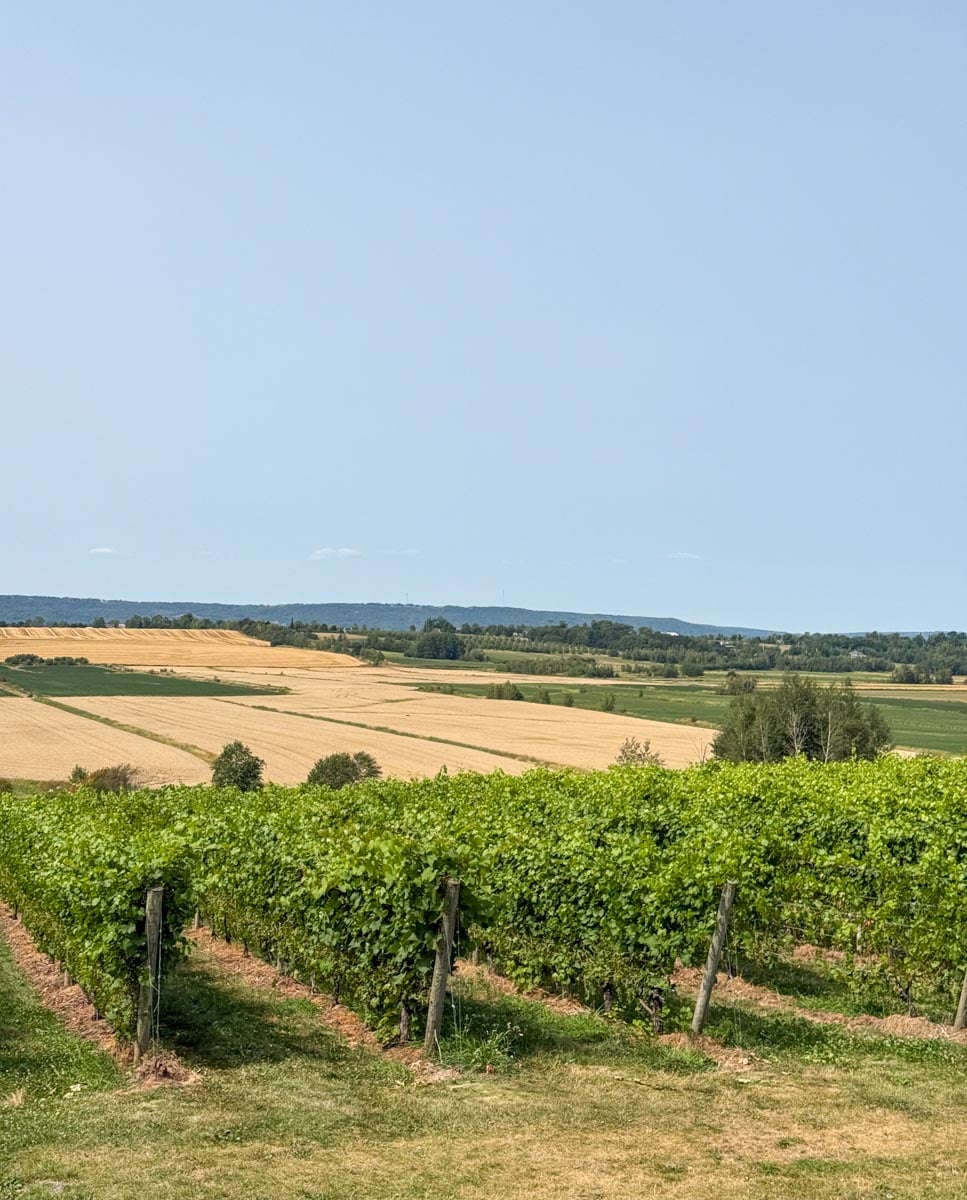
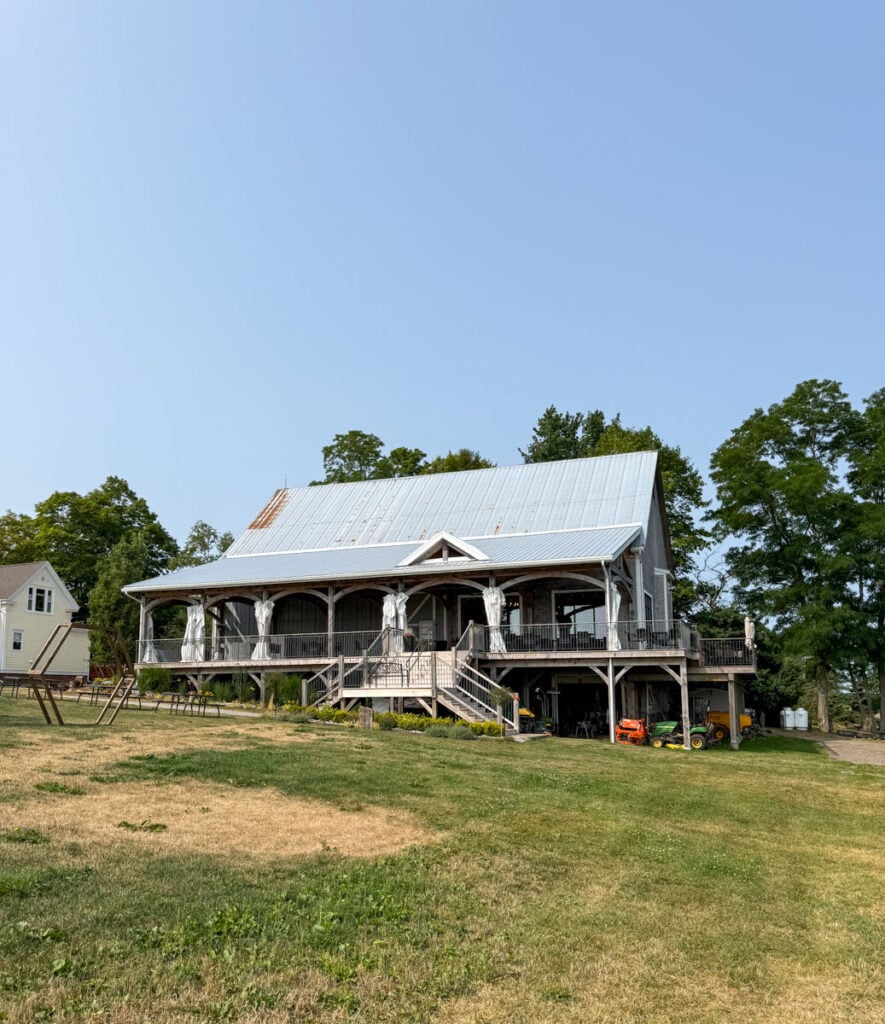
Set in a restored 19th-century barn, this winery stands out for both its setting and its diverse wine selection.
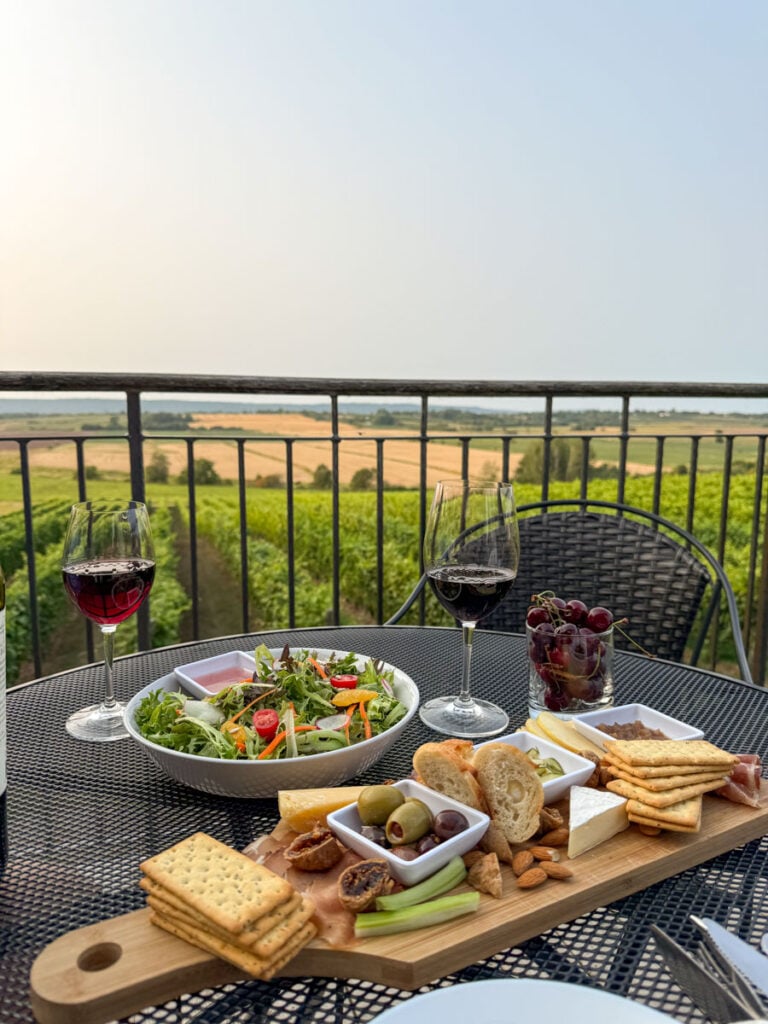
- Try: Resilience (Lambrusco-style sparkling red)
- Food: light menu and brunch options
- One of the best terraces in the valley
- Open year-round
- Walk-in or guided tastings
- More info - website
Other wineries such as Blomidon Estate Winery, Gaspereau Vineyards and Luckett Vineyards are also worth adding to your itinerary.
Short on time? Prioritize:
- Lightfoot & Wolfville (overall complète)
- Benjamin Bridge (sparkling wines)
- Planters Ridge (setting and variety)
Organizing your stay
Suggested Itinerary (1-2 Days)
Day 1
- Arrive in Wolfville
- Lunch and tasting at Lightfoot & Wolfville
- Visit Benjamin Bridge
- Sunset at Planters Ridge with a charcuterie board
Day 2
- Grand-Pré National Historic Site
- Lunch at Le Caveau
- L'Acadie Vineyards
- Hall's Harbour for tides and fresh lobster
How to Visit Without Driving
While Annapolis Valley is easy to explore by car, guided tours are a great option if you plan on tasting wines throughout the day. I tried Vintage Vino Tours:

Photo: Marie-Noël Ouimet
On board a vintage car with a driver, you move from one winery to another without worrying about logistics (or your blood alcohol level), while learning about grape varieties, soils and the region.
The small-group format also allows you to go beyond the usual routes, with a few lesser-known stops along the way. A practical and enjoyable way to explore the region without worrying about logistics.
Where to Stay in Annapolis Valley
No matter where you stay, the wineries are easy to reach. Here are two good options depending on the type of stay you're looking for.
The Stay at Planters Ridge Winery
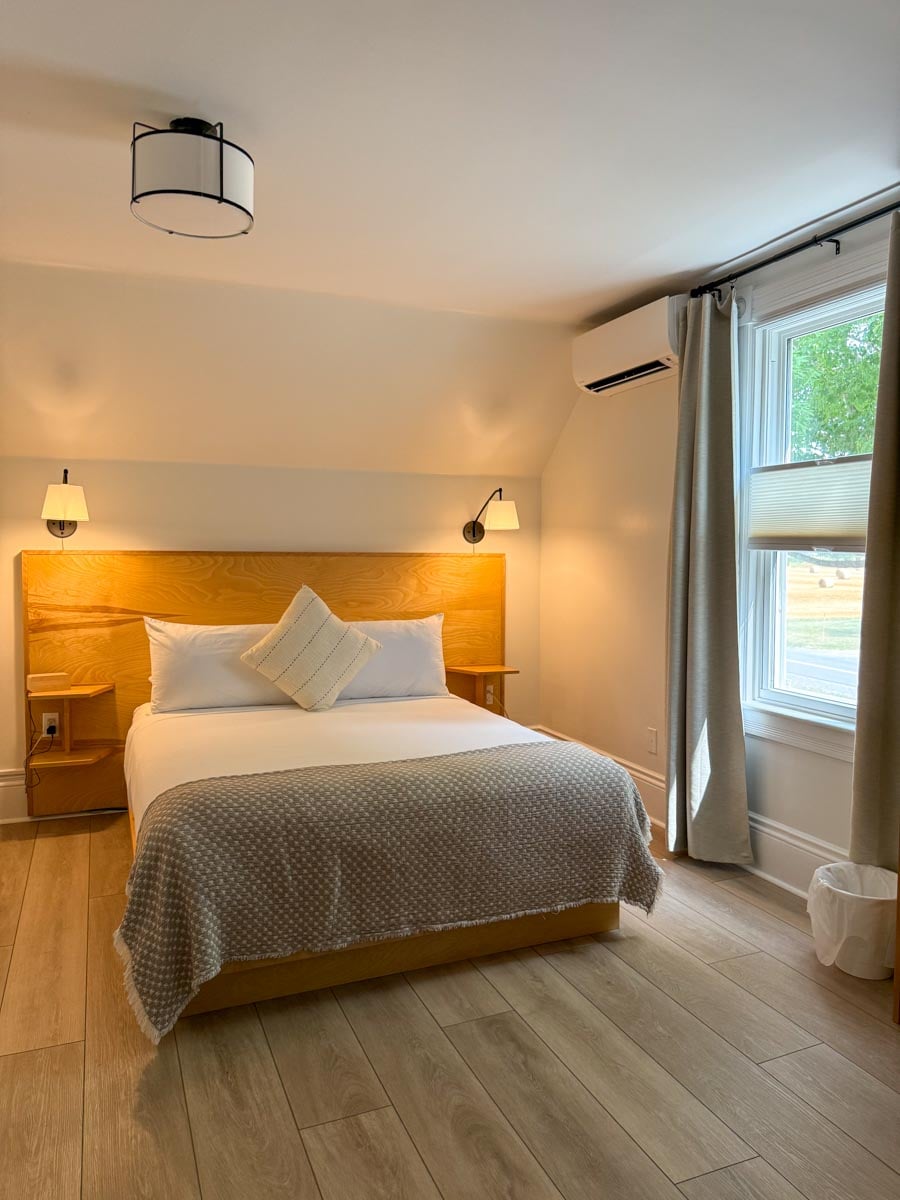
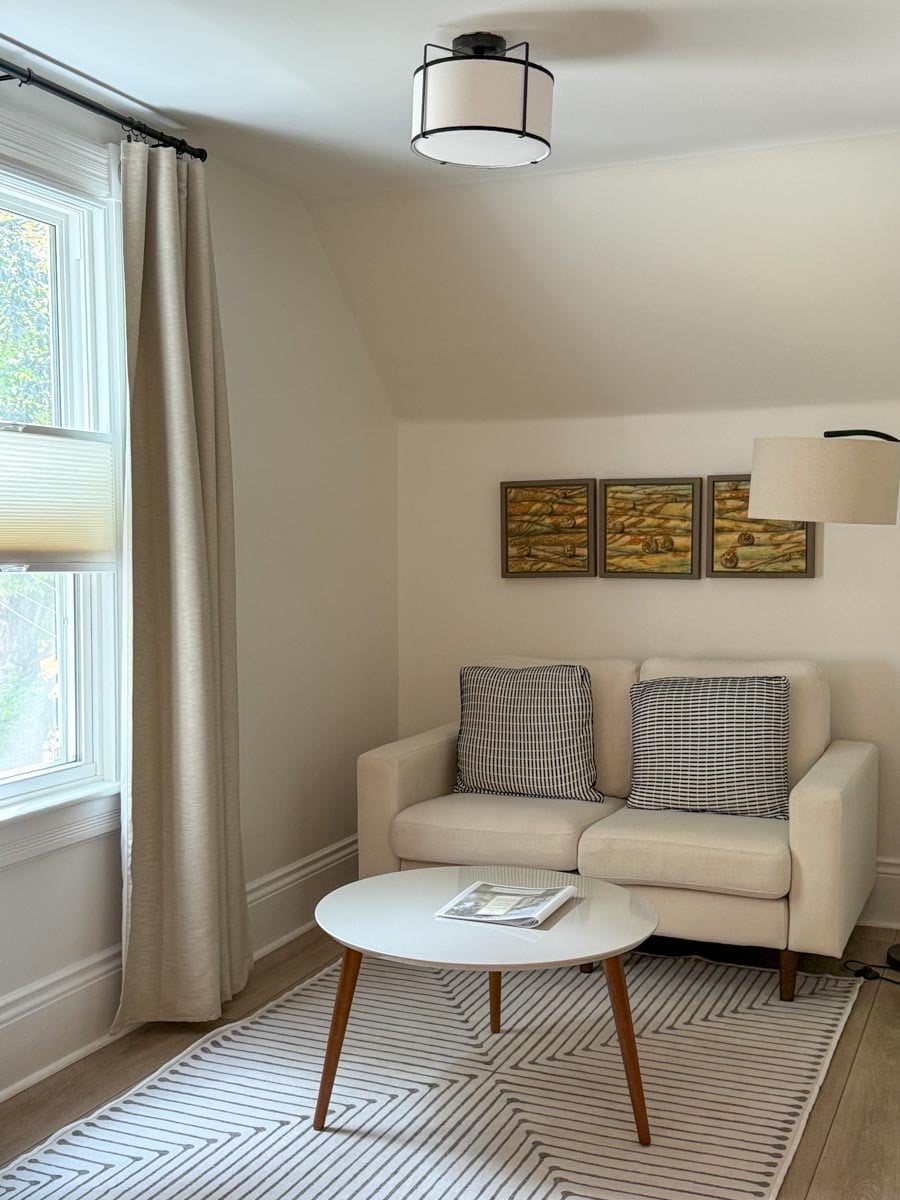
Staying at a winery is the most immersive experience. This renovated 1864 farmhouse offers a few elegant rooms with private bathrooms and breakfast included. Book a room
Wolfville
If you prefer to stay closer to the action, Wolfville makes an excellent base. You'll find restaurants, cafés and bars, with several wineries just minutes away
Where to Eat and Drink
Here are some solid options:
- Le Caveau Restaurant - refined local cuisine
- Lightfoot & Wolfville - terrace dining
- Maritime Express Cider Company - local ciders
- The Church Brewing Company - brewery in a former church
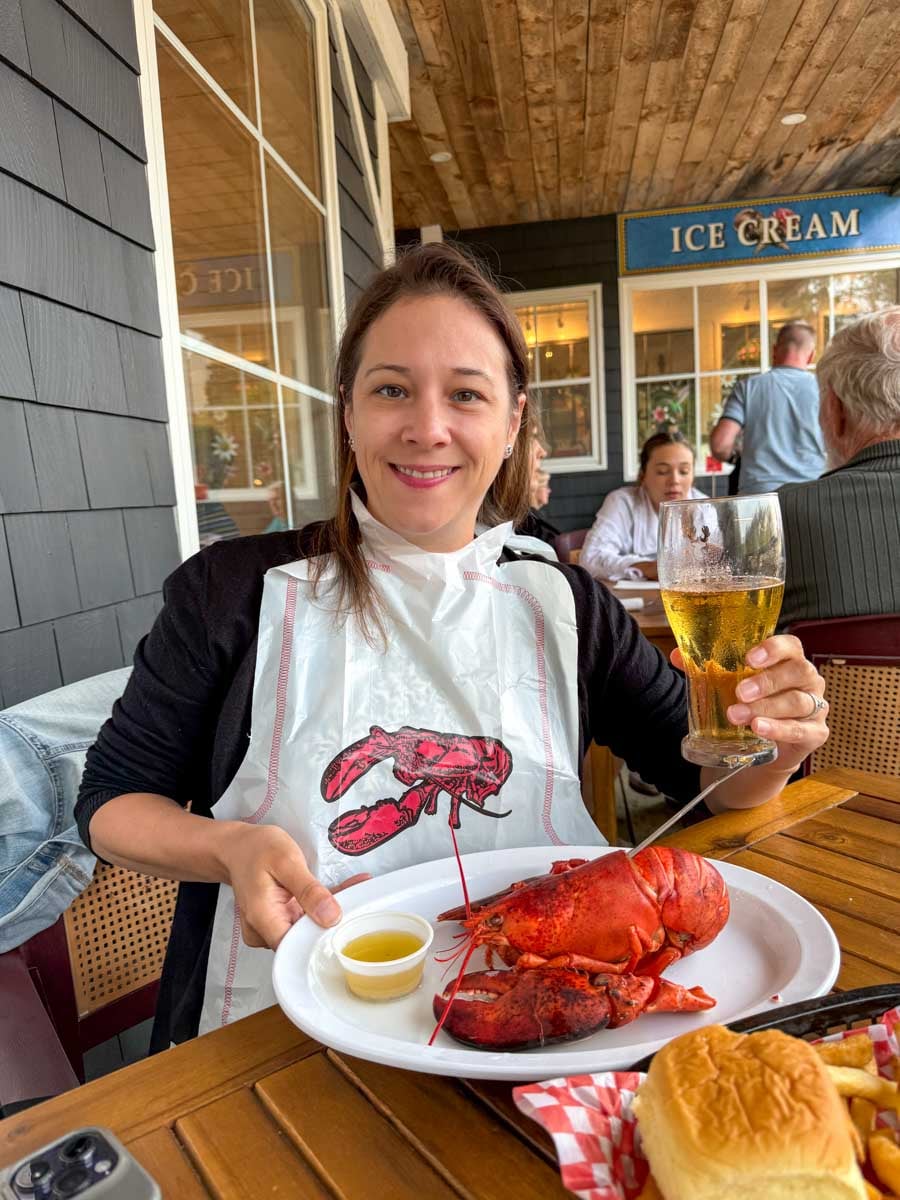
- Hall's Harbour Lobster Pound - lobster with a view of the tides
Other Stops Worth Adding
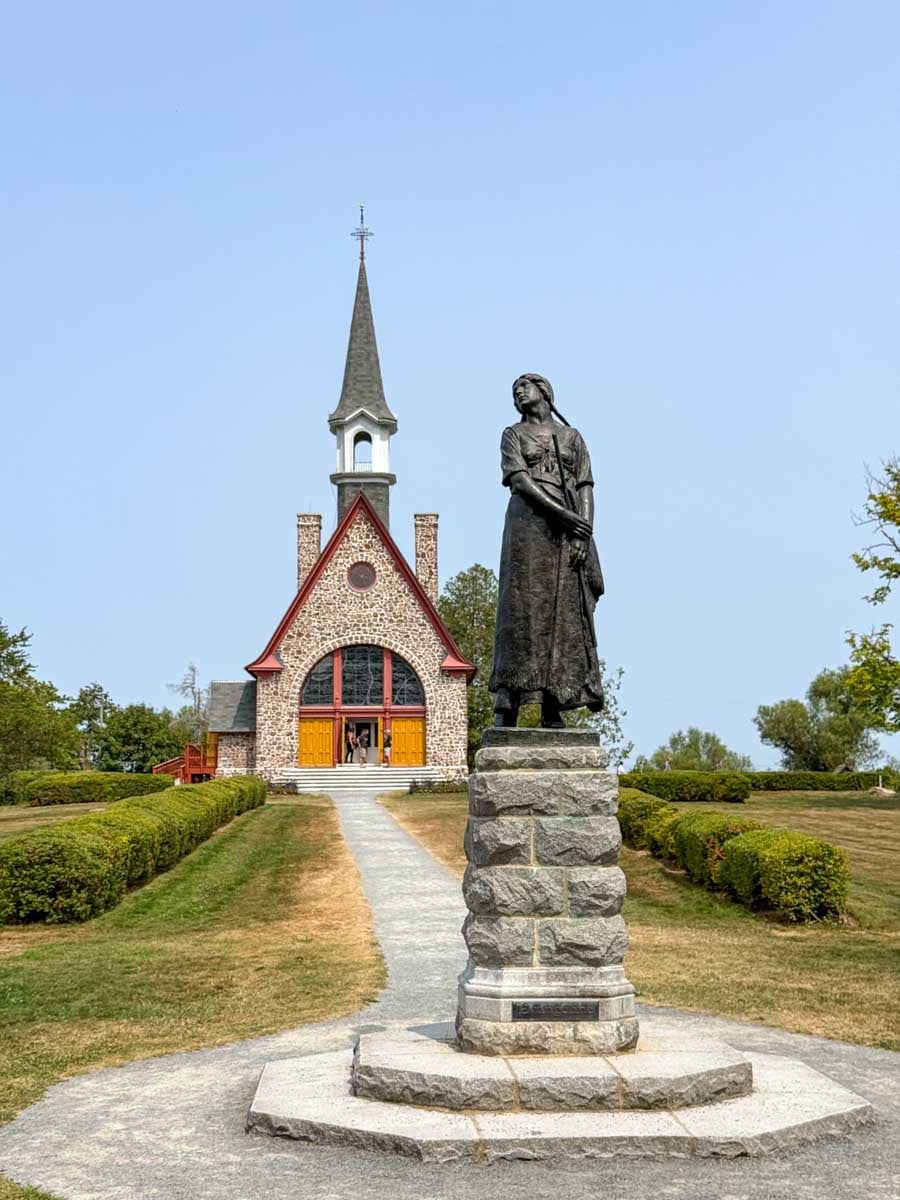
Photo: Marie-Noël Ouimet
Beyond the wineries, a few stops offer a nice change of pace.
- Grand-Pré National Historic Site: this site commemorates Acadian history, including the Grand Expulsion that began in 1755. There is limited on-site signage, so a guided tour is strongly recommended to fully understand its historical significance.
- Evangeline Beach: one of the best places to observe the tides
- Tangled Garden: a beautiful garden with a labyrinth and art installations, perfect for a stroll, along with a gourmet shop specializing in jellies and artisanal products.
- Farmers' markets to discover local ciders and regional products: Stirling Fruit Farm, Noggins Corner Farm Market
- Hall's Harbour: a small fishing village where you can clearly observe the effects of the tides (about 6 hours between high and low tide)
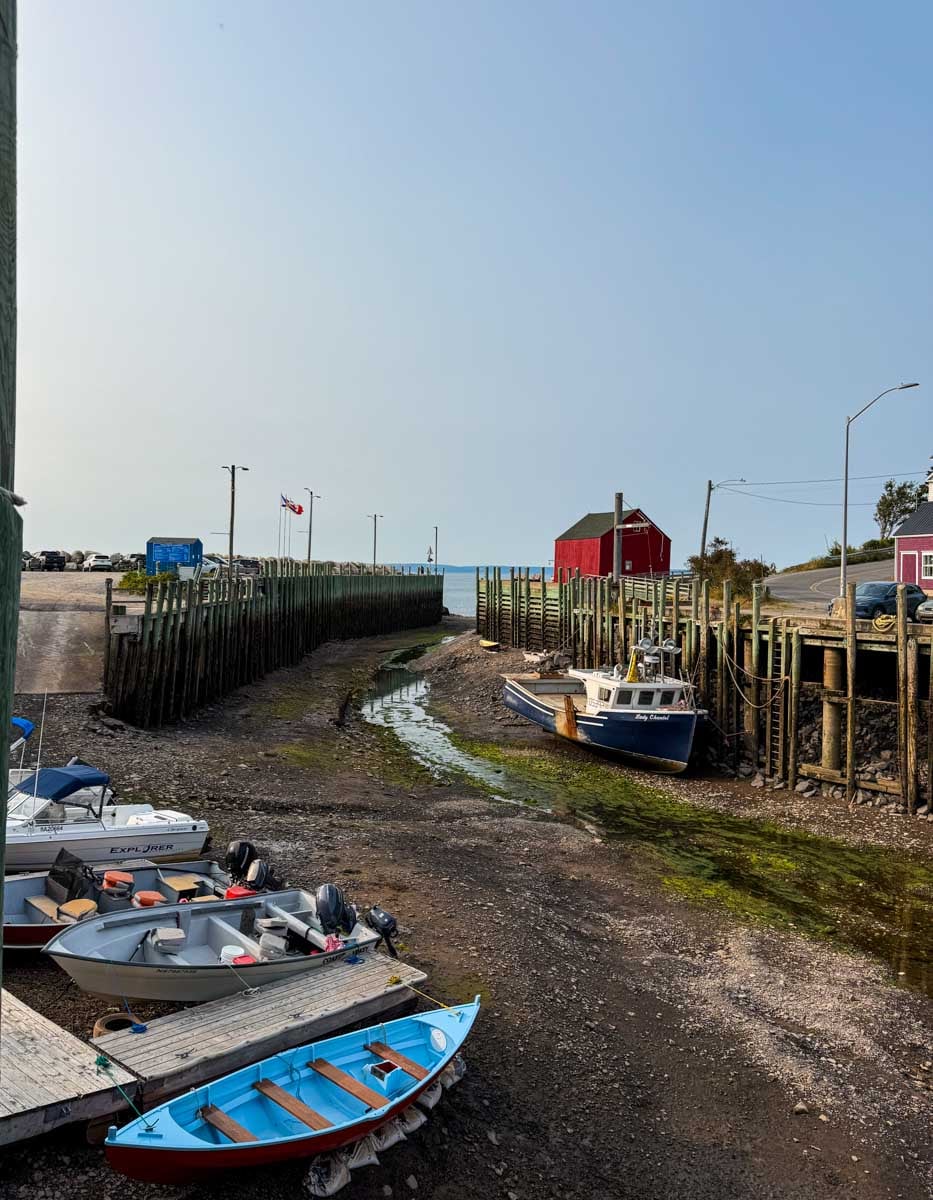
Photo: Marie-Noël Ouimet
Good to know
The best times to visit the region are from May to June and from September to October. July and August are peak season, with lively wineries and a full range of food experiences.
Getting there: ~1.5-hour flight from Montreal to Halifax, then drive.
Tip: the post-security shop at Halifax Airport offers a great selection of local wines to bring home.
This article was made possible through an invitation from Tourism Nova Scotia, which had no editorial control over the content.
This article contains affiliate links, which means that we may receive a small commission if a purchase is made through these links at no additional cost to you. This site participates in affiliate advertising programs, including the Amazon Associates program, which allows you to earn money by linking to Amazon, its associated sites and others.

Marie-Noël Ouimet is a writer and content creator specializing in gastronomy, wine, and travel. She is the founder of the digital magazine Urbaine City, where for over 10 years she has been highlighting the pleasures of the table and the destinations that bring them to life. She also holds the WSET Level 3 certification in wines and spirits.