The first Canadian winery certified in Regenerative Organic Agriculture, La Bauge has made clear choices: a focus on hybrid grapes, measured touches of vinifera, and natural winemaking without additives. The result is a truly Québécois wine, rooted in place, freshness, and precision.
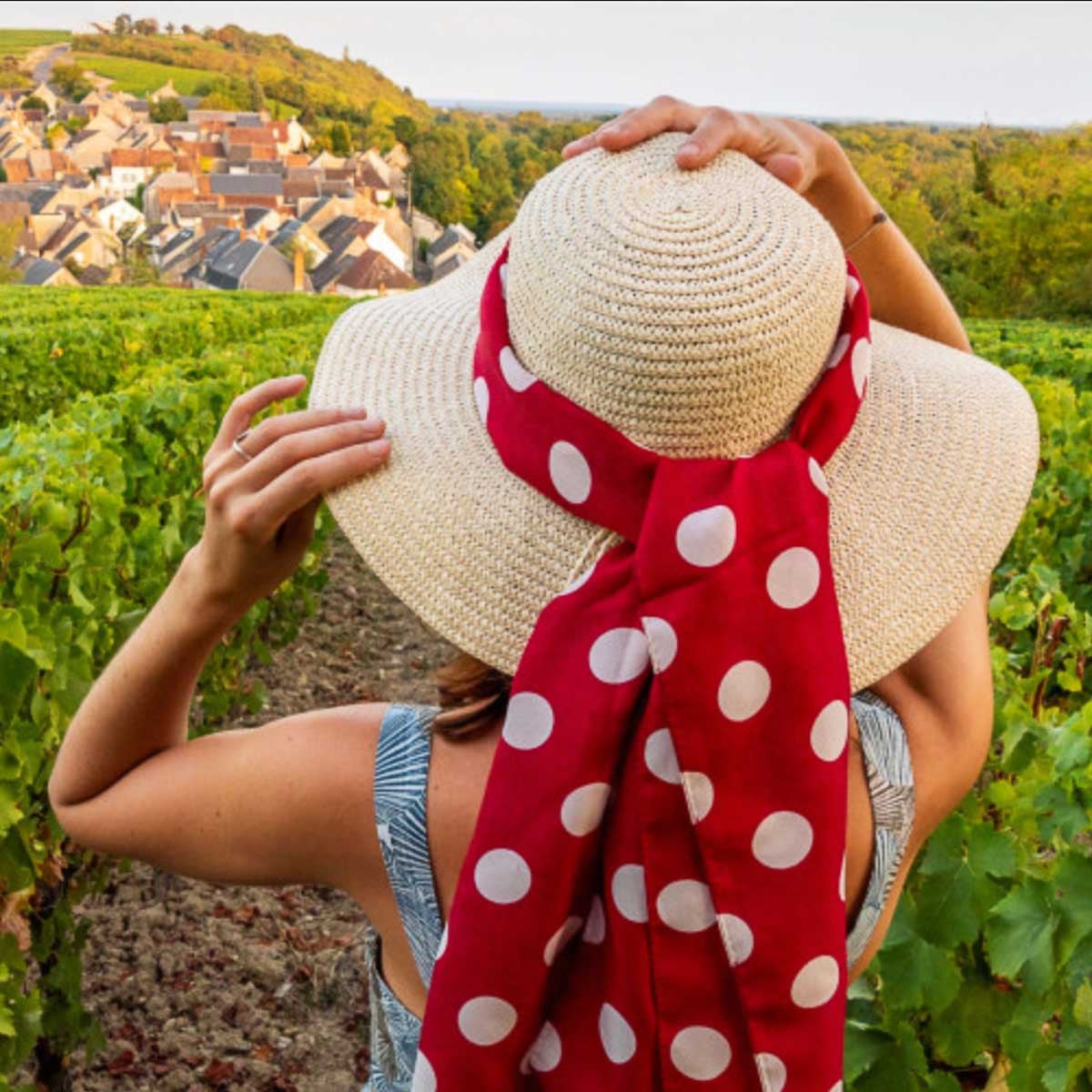
In the heart of Brigham, in the Eastern Townships, the vineyard stretches across a countryside that changes color with the seasons.
Founded in 1986 by Simon Naud's parents, La Bauge started with conventional viticulture and winemaking before evolving toward a more sustainable approach.
Since taking over in 1996, Simon Naud has pursued one clear goal: producing wines that tell the story of Quebec, without imitation.
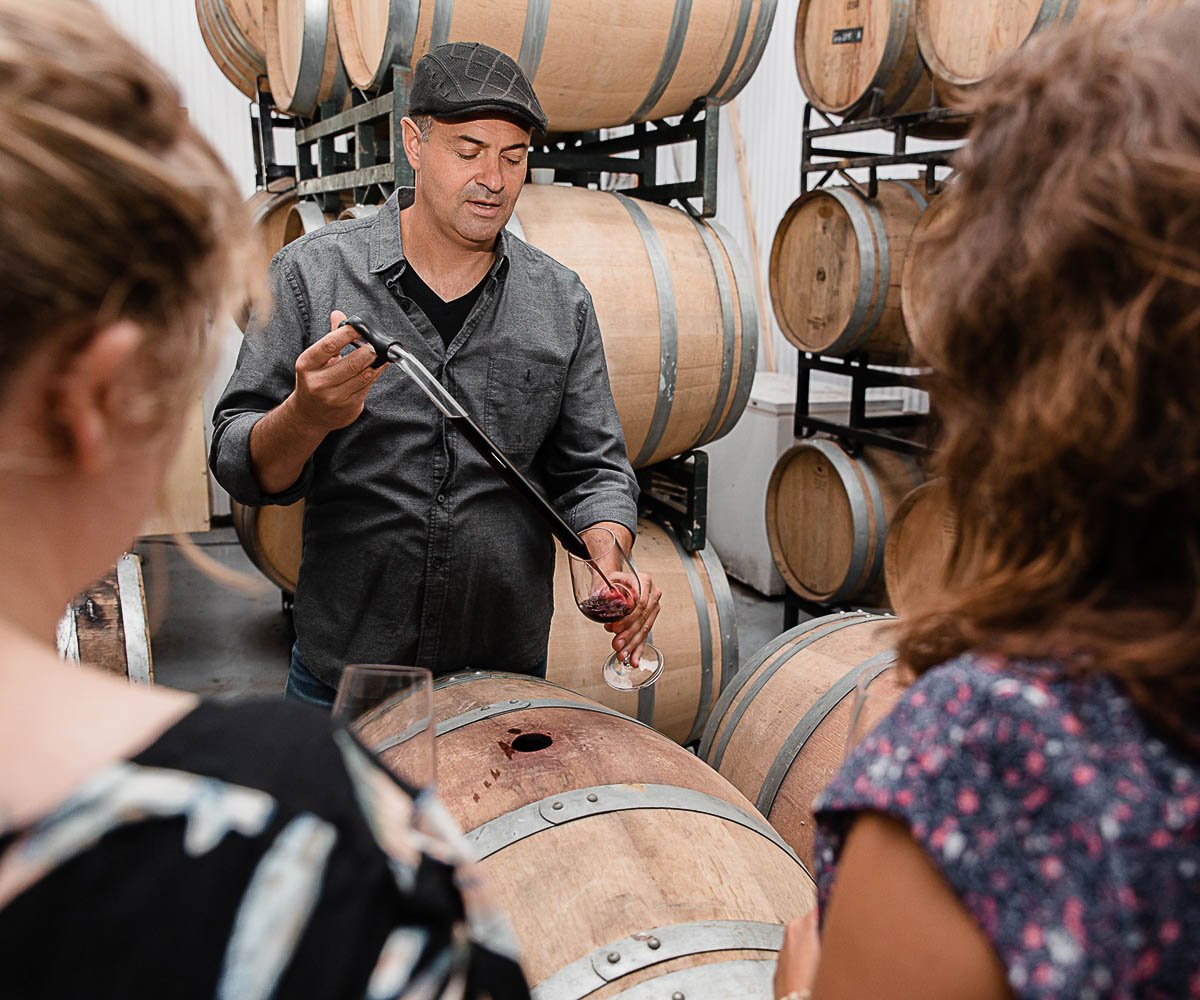
Photo: Courtesy Vignoble de La Bauge
From Organic to Regenerative
In 2024, La Bauge became the first Canadian winery to obtain Regenerative Organic Agriculture (ROA) certification, a globally recognized standard that goes beyond organic.
For Naud, it's more than a farming method - it's a way of anchoring his wines in their terroir. "Wine can be as powerful an identity marker as language or culture. Our wines must say who we are and where we come from," he explains.
After two decades of conventional viticulture, he began transitioning to organic in 2016, only to find its operational limits (more tractor passes, compacted soils).
That led him to regenerative practices focused on biodiversity and lowering carbon impact.
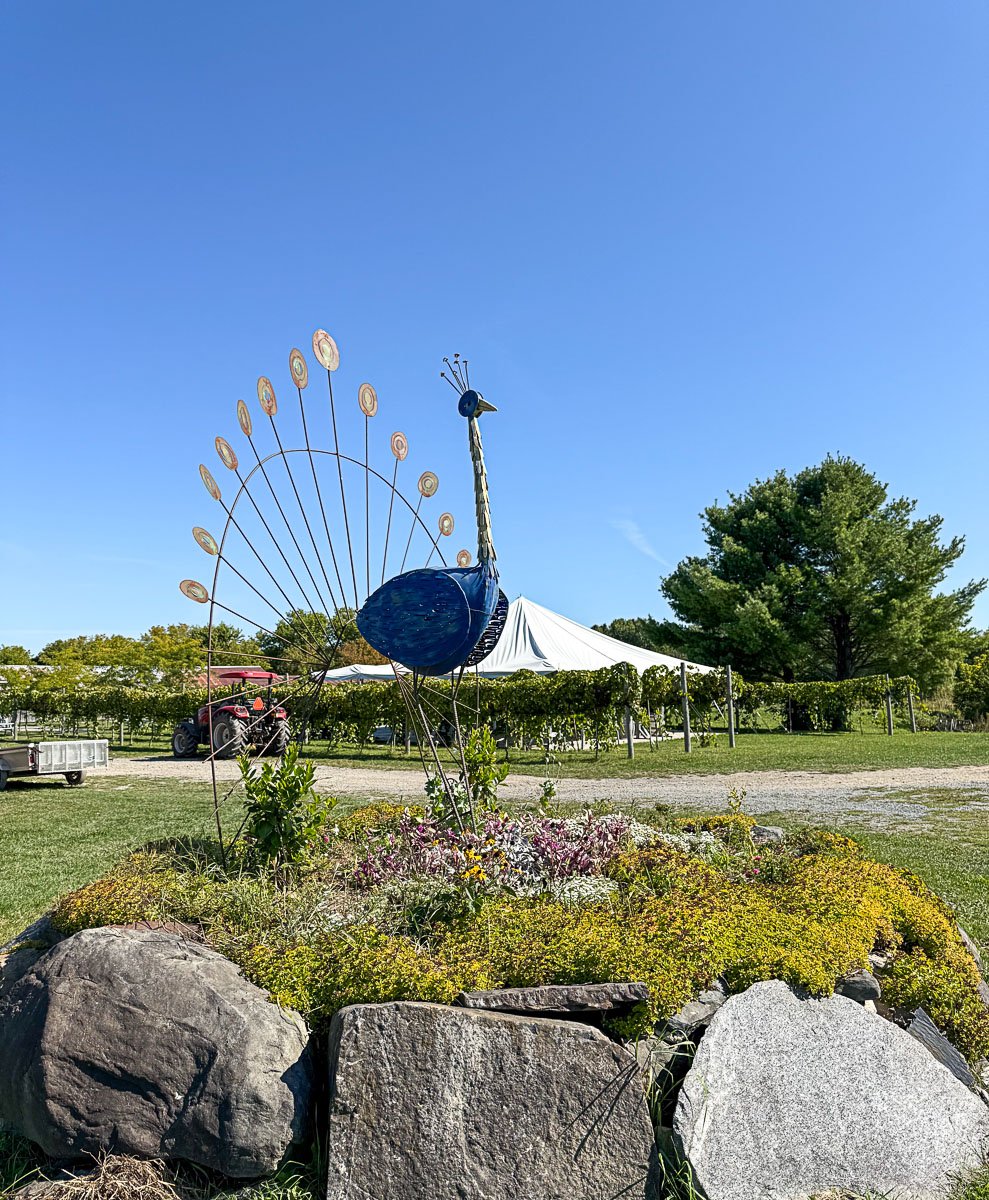
Sheep now graze between the rows, aerating the soil and replacing the mower; swallows nest in nearby shelters and act as natural pest control.
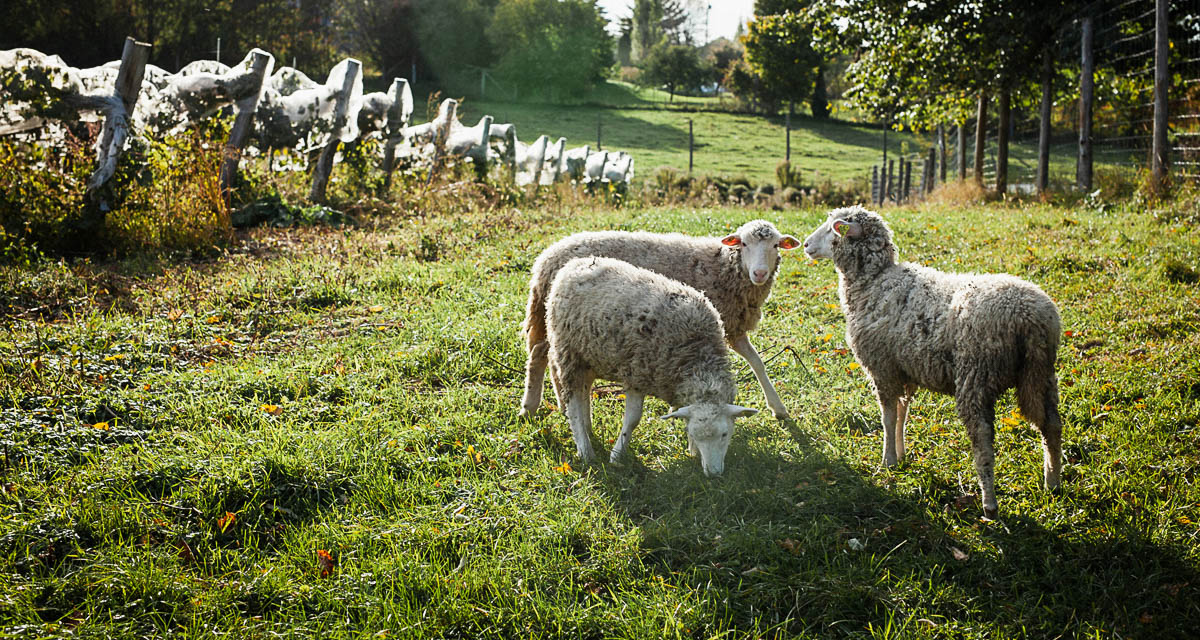
Photo: Courtesy Vignoble de La Bauge
In collaboration with Véronique Lemieux, coordinator of La Bauge's experimental plot, currant bushes, elderberries, and sea buckthorn now grow alongside vines, building a resilient ecosystem. It's just one of many ongoing initiatives at the estate, with more to come.
The same philosophy guides the cellar: no added yeast, no filtration, no sugar, no additives. "We don't want to manipulate the wine. What we're aiming for is a profile that reflects our soils and our climate," says Naud.
Winemaking Philosophy

This approach also reflects a shift in the broader Quebec wine scene. "Back in the 1990s, people wanted powerful, oaky wines. Today, we look for freshness and drinkability. Why try to imitate another region?"
Instead of copying elsewhere, La Bauge embraces a northern style that is precise and vibrant.
The vineyard favors hardy hybrid grapes suited to Quebec's climate, while adding vinifera like cabernet franc, gewurztraminer, and savagnin with restraint, for aromatic complexity and familiar benchmarks.
"Respecting where we are, that's the essential," Naud concludes.
Wines to Discover
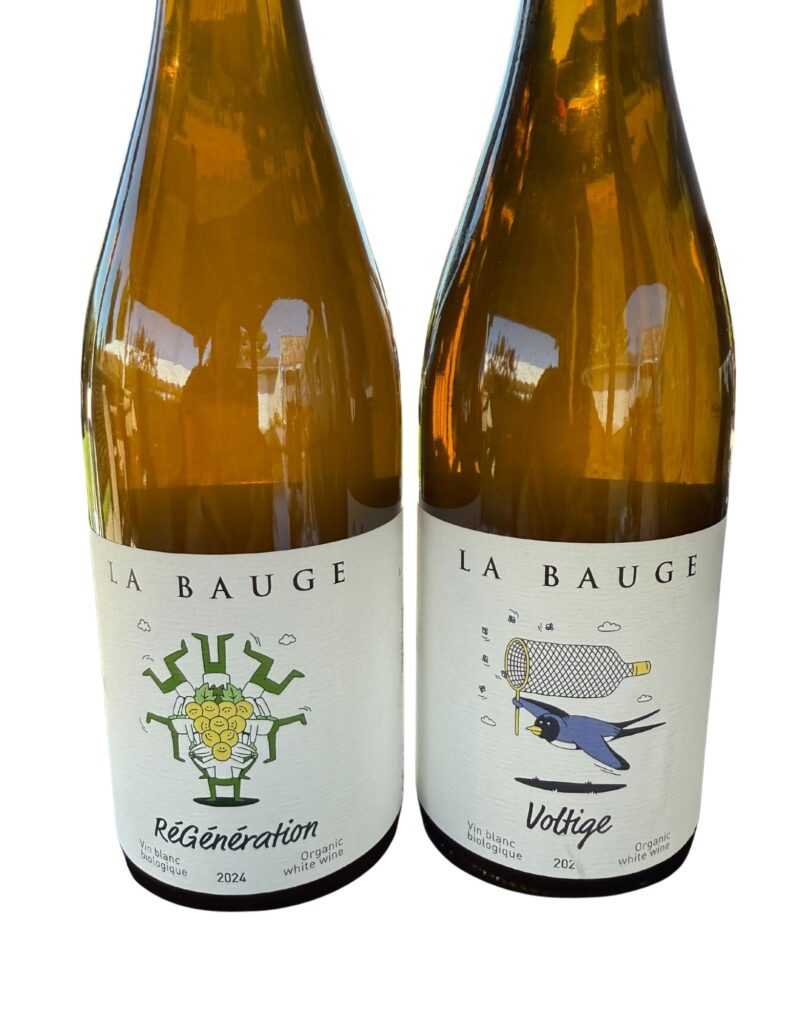
Voltige: A delicate, airy white built on frontenac blanc with a touch of vinifera. Citrus and pear on the nose, followed by bright freshness, mandarin zest and a faint tannic grip on the finish.
Régénération: Frontenac blanc, La Crescent, and a hint of gewurztraminer. More expressive and floral, with generous texture and balance between hybrid energy and vinifera nuance.
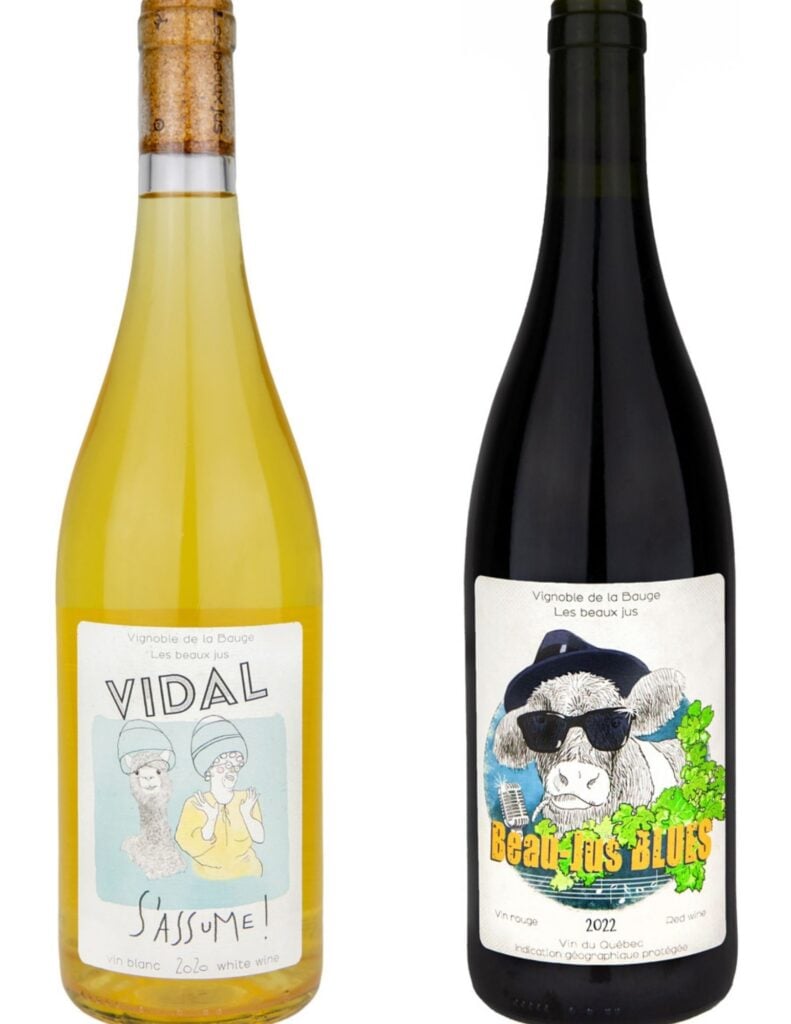
Vidal s'assume : 100% vidal, whole-cluster pressed. Crisp and energetic with a light natural spritz. "I wanted to keep that subtle effervescence that brings joy," says Naud.
Beau-jus Blues : A red blend of frontenac noir and marquette, co-fermented with gewurztraminer skins. Fruity, supple and floral, yet still showing tension.
Visiting La Bauge

La Bauge offers tastings at the counter and, depending on the season, guided tours of the vineyard (often by reservation). Cheese and charcuterie boards can be enjoyed on the terrace alongside the wines.
Schedules and offerings change with the season. Check the winery's website for up-to-date details on hours, pricing, and reservations.
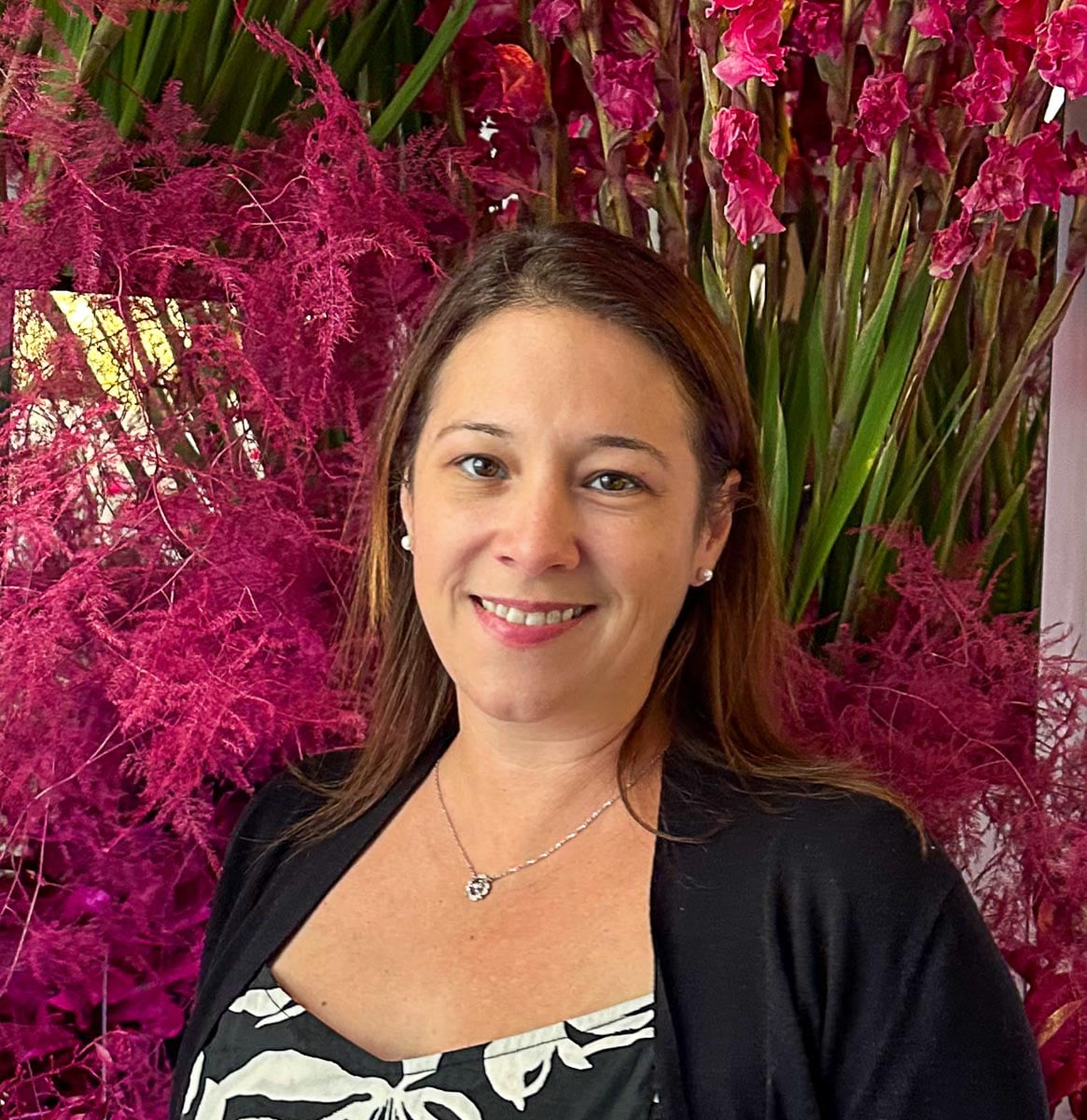
Marie-Noël Ouimet is a writer and content creator specializing in gastronomy, wine, and travel. She is the founder of the digital magazine Urbaine City, where for over 10 years she has been highlighting the pleasures of the table and the destinations that bring them to life. She also holds the WSET Level 3 certification in wines and spirits.