Was it the ripe, juicy papaya I tasted at the market, or the moment I bit into my first roti? I can't say for sure. But discovering the culinary traditions of Antigua and Barbuda quickly became one of the highlights of my trip.
With bold flavors, tropical ingredients, and a variety of herbs and spices, the local cuisine won me over in no time.
A Rich Culinary Heritage
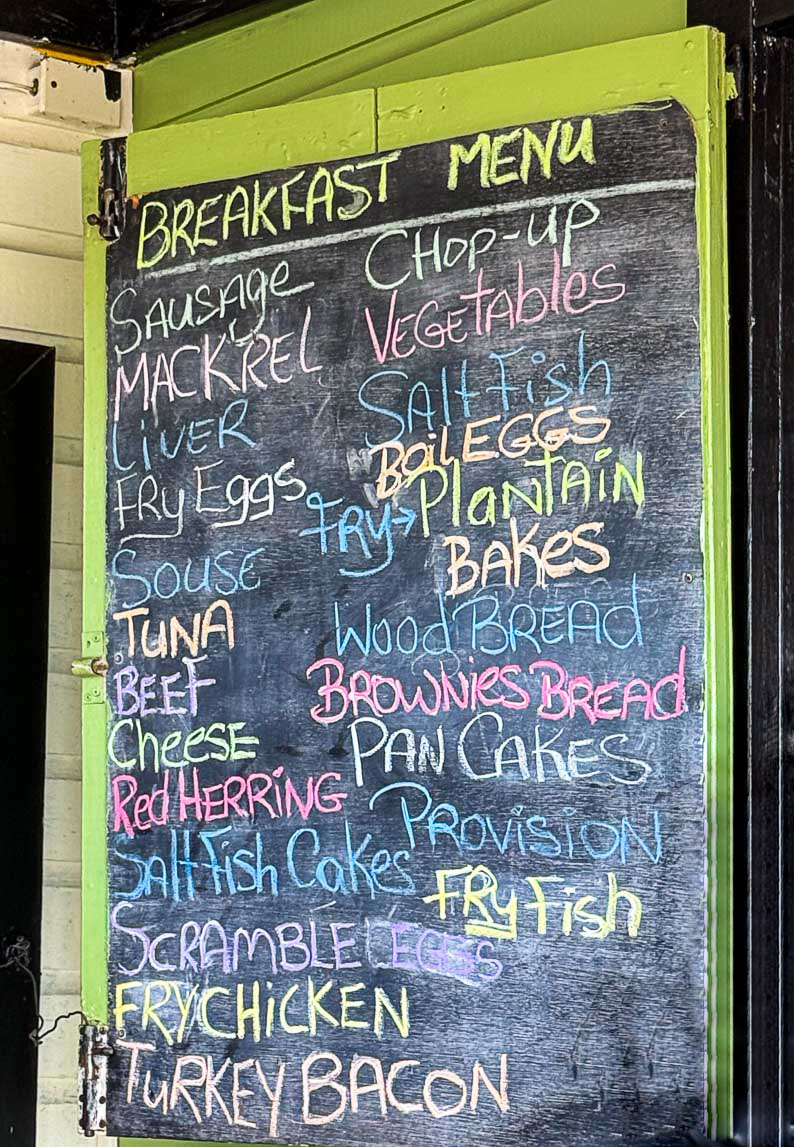
Many Caribbean islands share iconic dishes-like saltfish or roti-but each one adds its own twist. That's what makes exploring the local food scene in Antigua so exciting.
The cuisine of Antigua and Barbuda is a true cultural blend, shaped by African, Indian, European, Lebanese and Caribbean influences. Jamaican and Dominican communities have also left their mark, resulting in a cuisine that's layered, vibrant, and full of personality.
This article is my personal love letter to Antiguan food. Of course, many other specialties deserve attention.
But if these recommendations help guide your food discoveries during your stay, then mission accomplished.
Here are 16 traditional Antiguan dishes worth trying.
Where to sleep in Antigua & Barbuda?
Tamarind Hills Resort and Villas
Admiral's Inn and Gunpowder Suites
Carlisle Bay
Fungee and Pepperpot : National Dish
Fungee is a dense cornmeal and okra mash, similar in texture to polenta. It's usually served with pepperpot, a rich meat stew made with leafy greens, eggplant and spices.
Together, they form the national dish of Antigua and highlight the cuisine's African roots.
Ducana
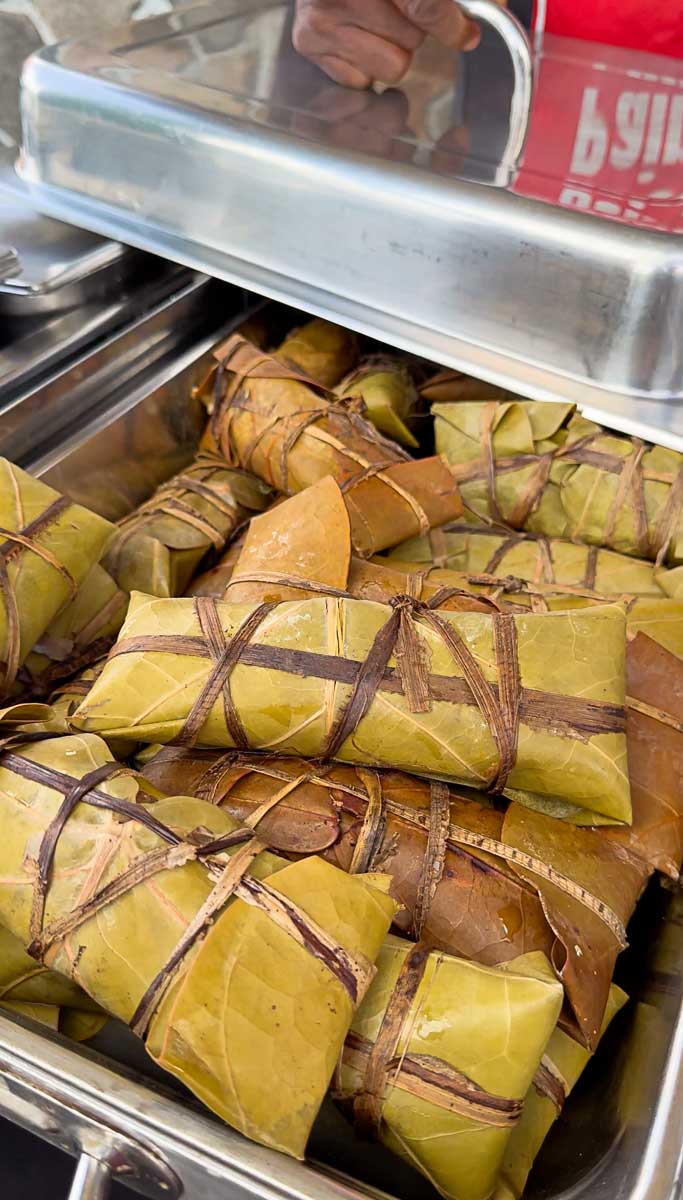
Ducanas are sweet dumplings made with grated sweet potato, coconut, sugar and spices, sometimes with raisins. They're wrapped in banana leaves and steamed, then typically served with saltfish or saucy dishes-but they're also delicious as a snack.
Roti
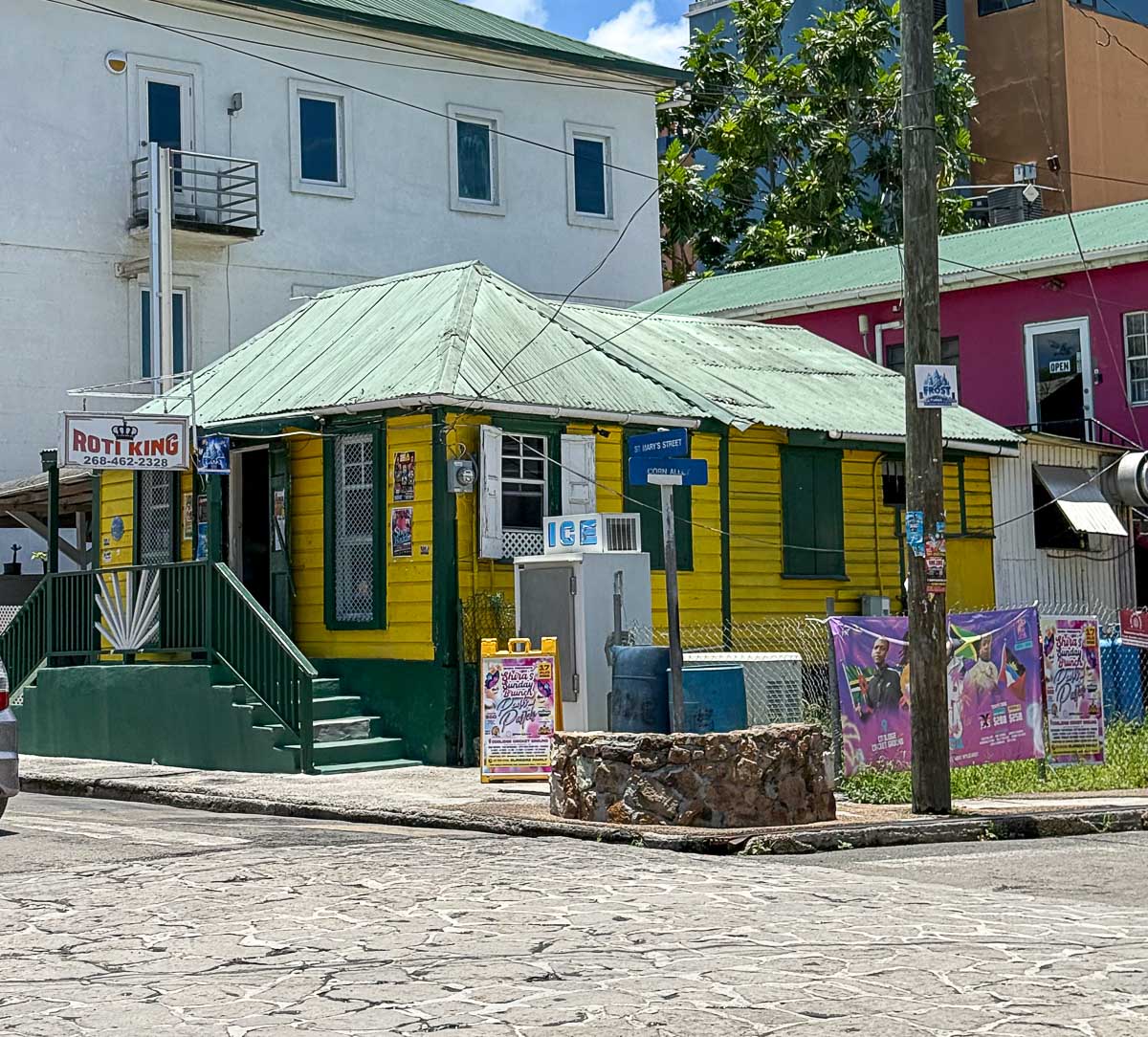
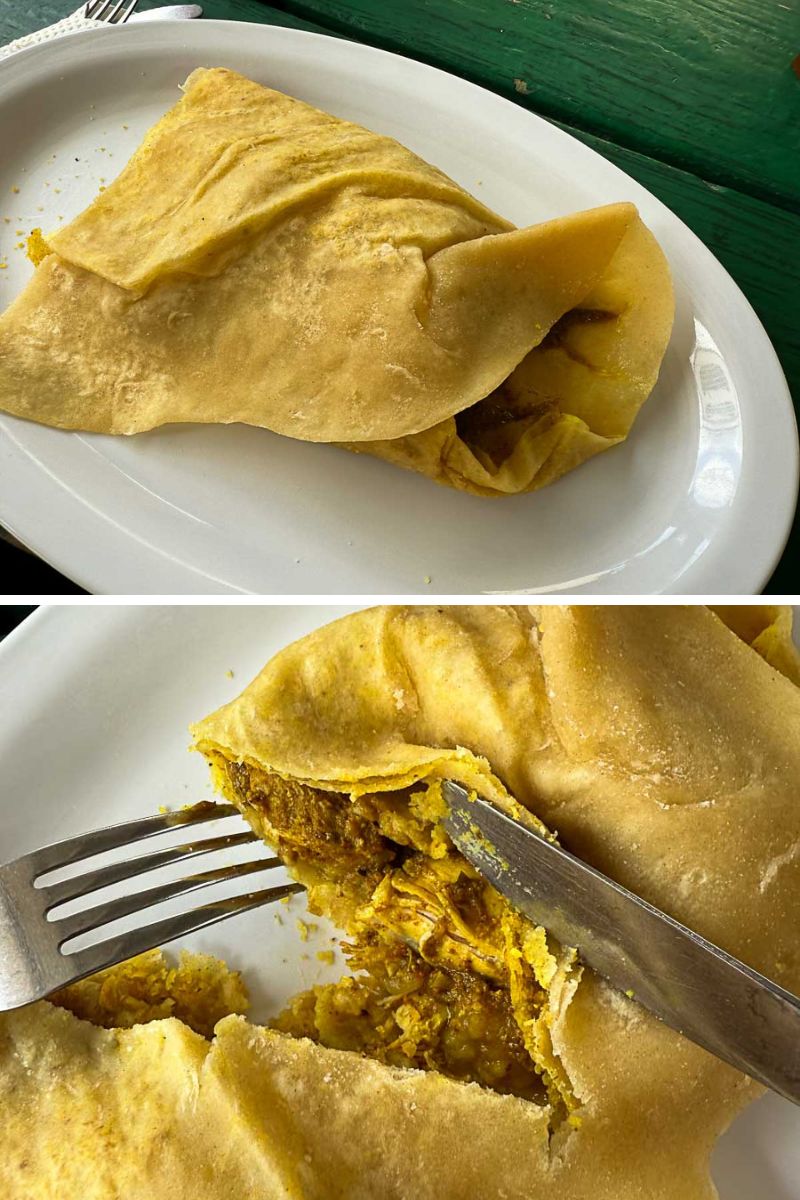
A staple of Indo-Caribbean cuisine, roti is a thin flatbread stuffed with curried meat, vegetables or fish.
Flavorful and filling, it's one of the most popular street foods on the island.
Goat water
Don't be misled by the name-goat water is a savory, spiced goat stew (or thick soup) made with garlic, thyme, cinnamon, clove and vegetables. It's especially popular at festivals and gatherings, usually served with bread or dumplings.
Saltfish
Saltfish is a key part of Antiguan breakfasts. The fish is salted and dried, then rehydrated, flaked and often sautéed with onions and peppers.
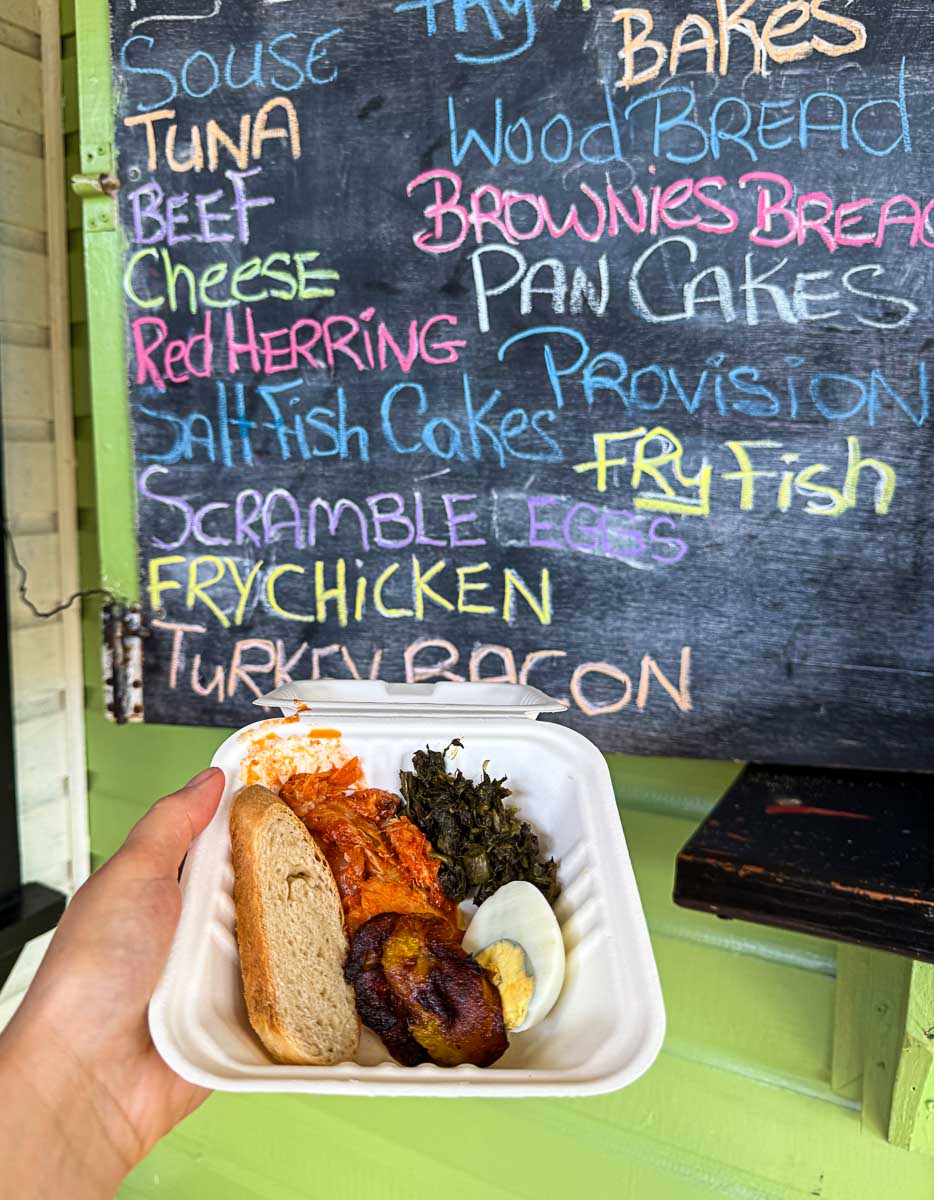
Antiguan Breakfast
A hearty meal that includes flaked saltfish, fried plantains, eggs, avocado, bread, and chop-up.
Chop-Up
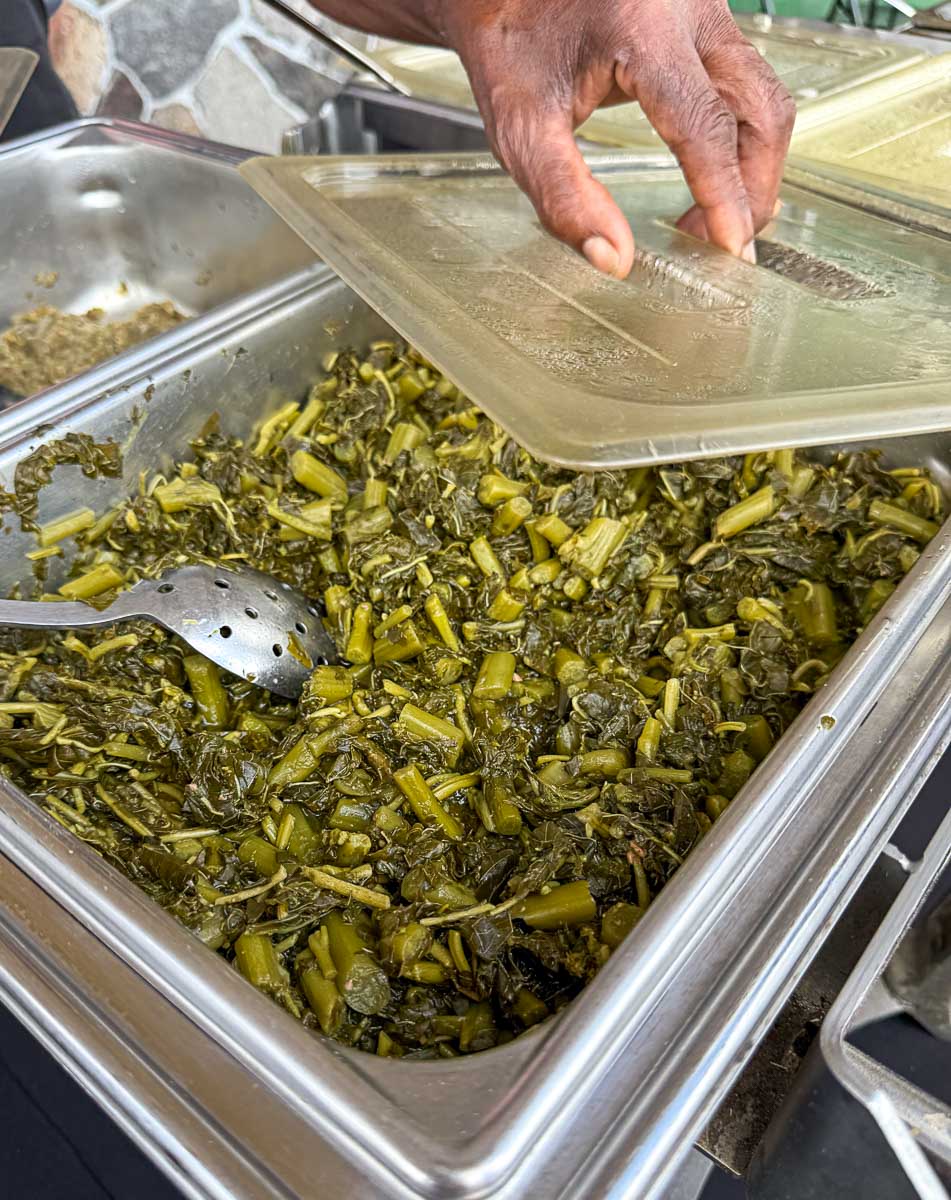
A typical breakfast side dish, chop-up is made with leafy greens (like amaranth or callaloo), okra, pumpkin and sometimes eggplant. Everything is cooked together and roughly mashed or chopped-hence the name.
The result is soft yet textured, halfway between a purée and a stew.
Conch
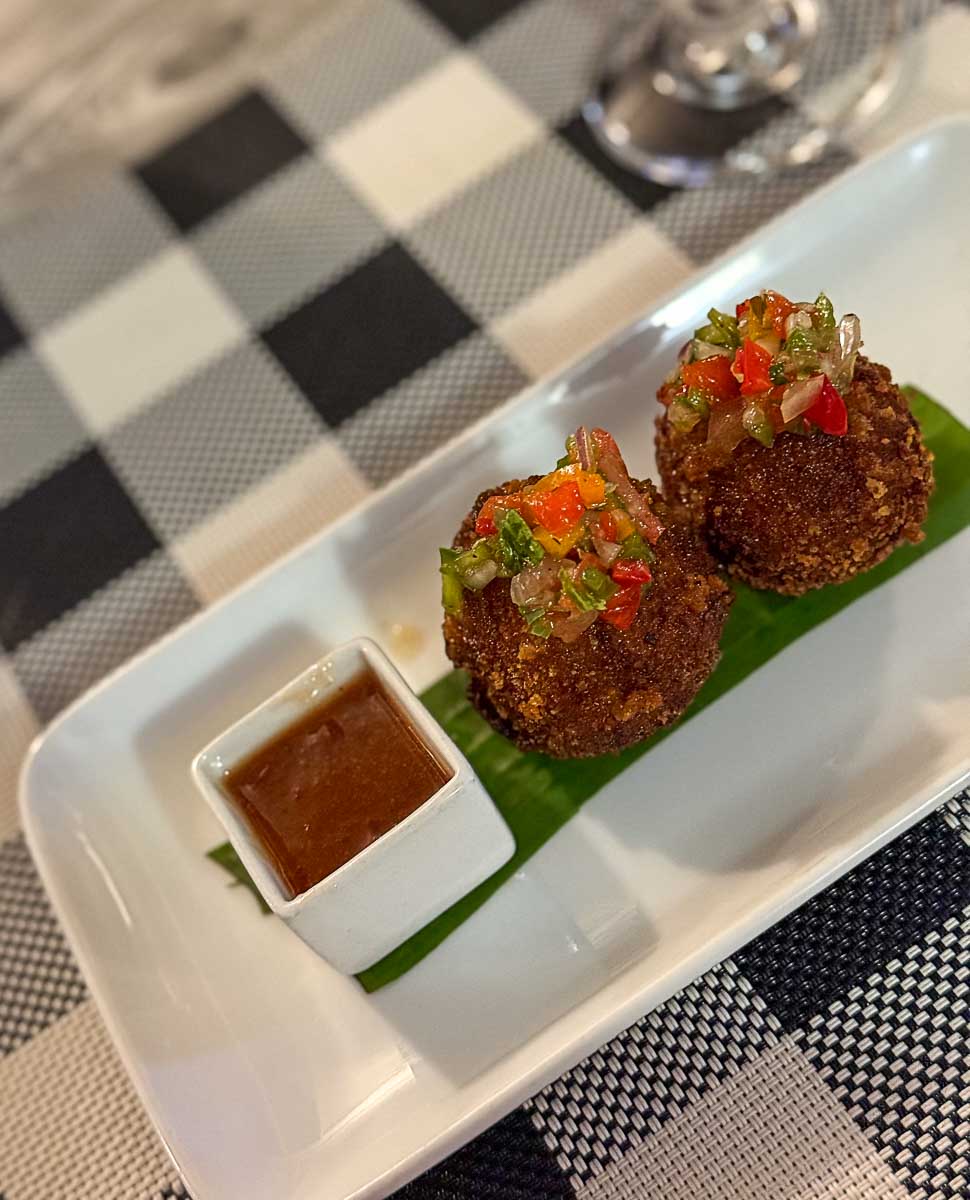
This iconic Caribbean shellfish, known as conch, has a firm, slightly sweet flesh. It's served fried (conch fritters), in soups, curries, or salads.
You'll see it on many restaurant menus.
Breadfruit
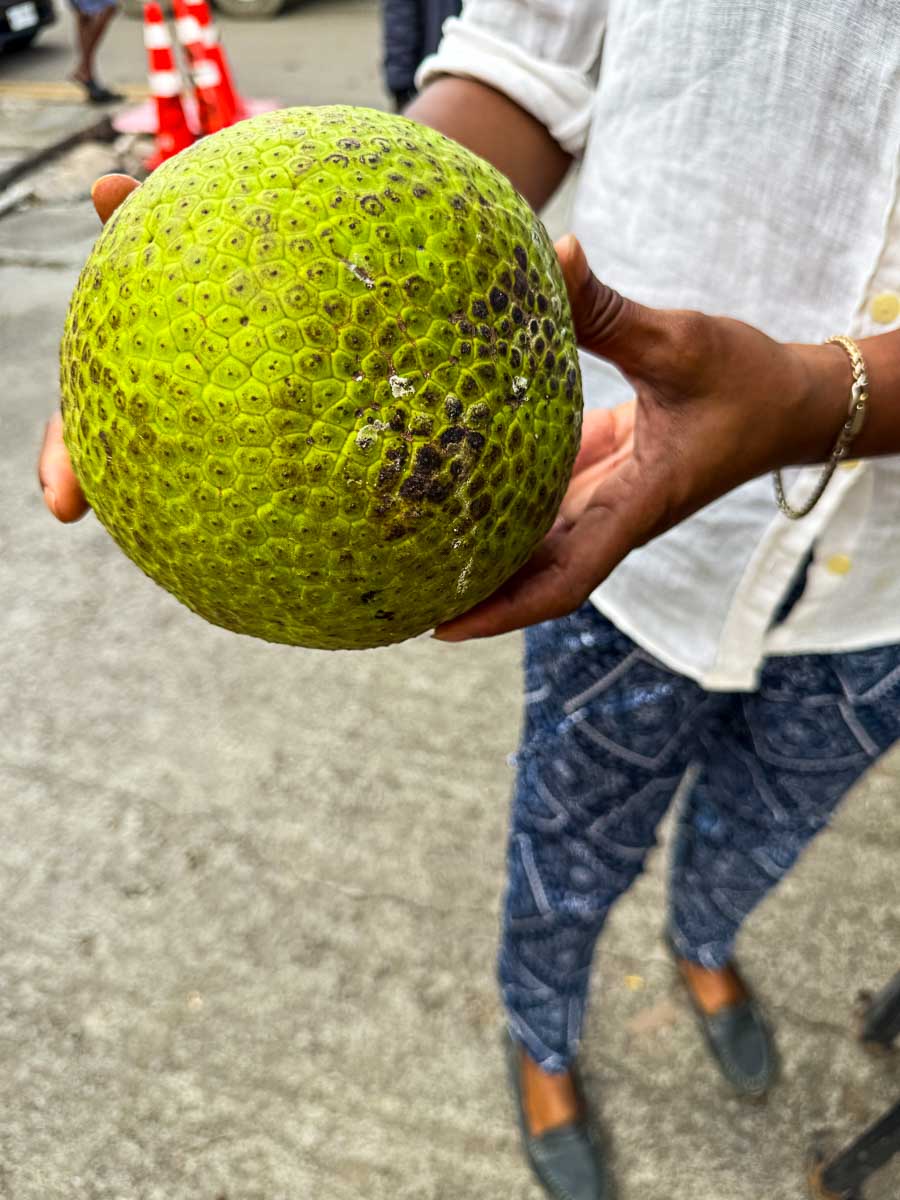
Breadfruit is a large, green-skinned fruit with a rough surface. In Antigua, it's typically boiled, steamed, or fried, depending on its ripeness and the dish.
Once cooked, the flesh is dense and starchy, with a mild flavor reminiscent of potato or fresh bread-hence the name. Often served alongside meat or fish, or used in soups or desserts.
Bamboula
This traditional treat features two thin cassava cakes filled with sweet grated coconut and sugar.
A popular snack, especially around markets and festivals.
Local Drinks: Sorrel Juice, Sea Moss and More
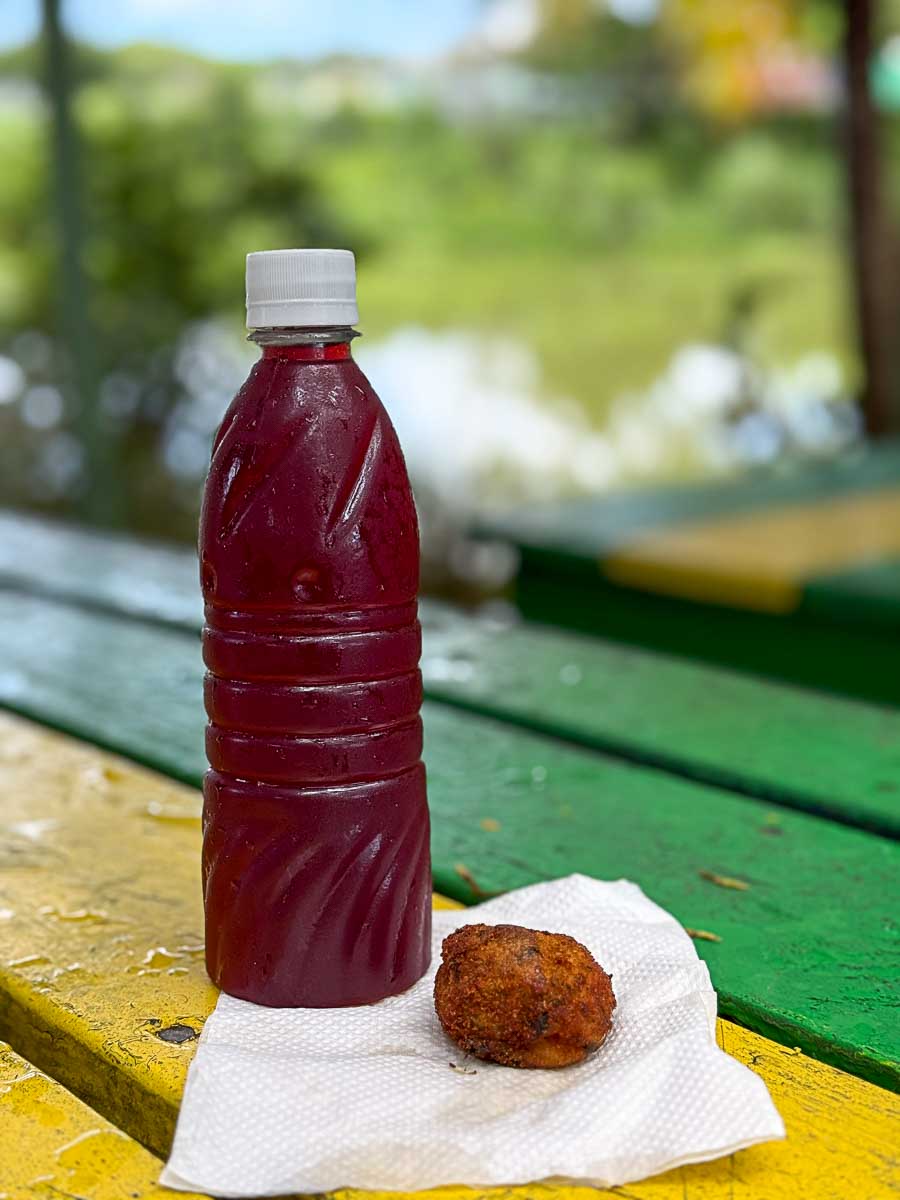
Whether as juice, smoothies, or shakes, Antigua offers a great variety of plant- and fruit-based drinks.
Try sorrel (a tangy-sweet hibiscus flower juice), sea moss (a sweet, spiced, milky algae drink), ginger beer, or peanut punch (a creamy peanut-based beverage).
Tamarind Balls
If you like sweet-and-sour flavors, tamarind balls are for you: tangy tamarind pulp rolled in sugar, sometimes with added spices. A perfect edible souvenir.
Cha-Cha Dumplings
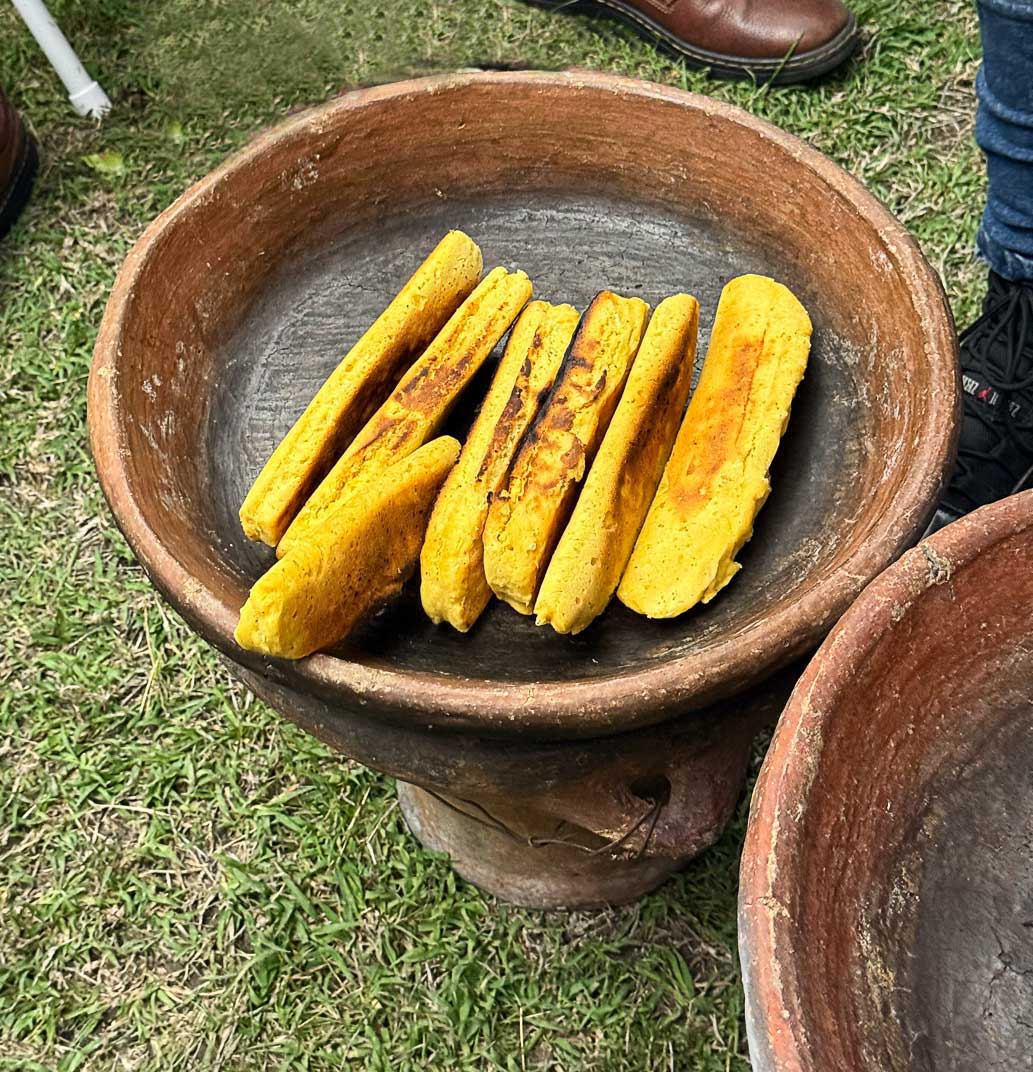
Made from corn, cassava and coconut, these dumplings are steamed in banana leaves and grilled in clay dishes. Their texture is slightly dense and crumbly, similar to a scone but with a tropical twist.
Provisions
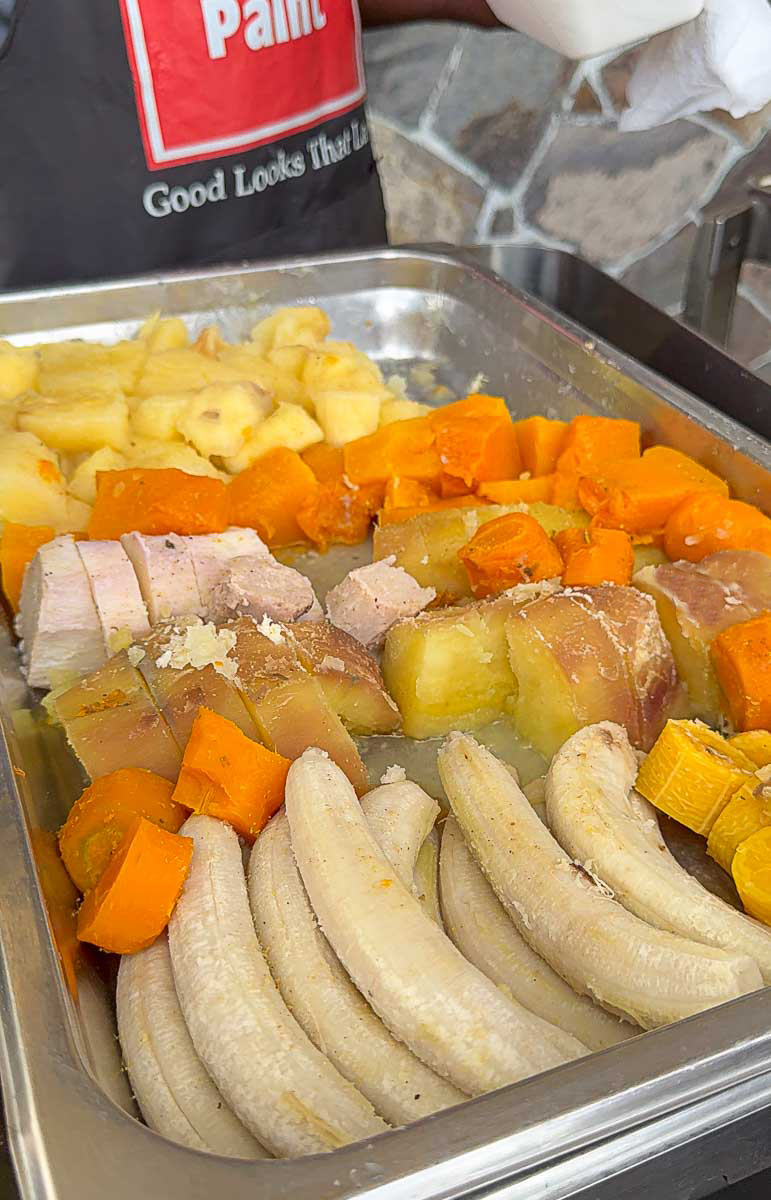
If you see this term on a menu, it refers to a hearty mix of starchy foods like green banana, plantain, breadfruit, yam, cassava, or sweet potato. Usually served as a side dish.
Souse
Food adventurers, take note: souse is a traditional Caribbean dish with many variations. In Antigua, it's typically a cold, spicy broth made with marinated pig's feet, onions, garlic, hot pepper, and lime juice.
Tropical Fruits
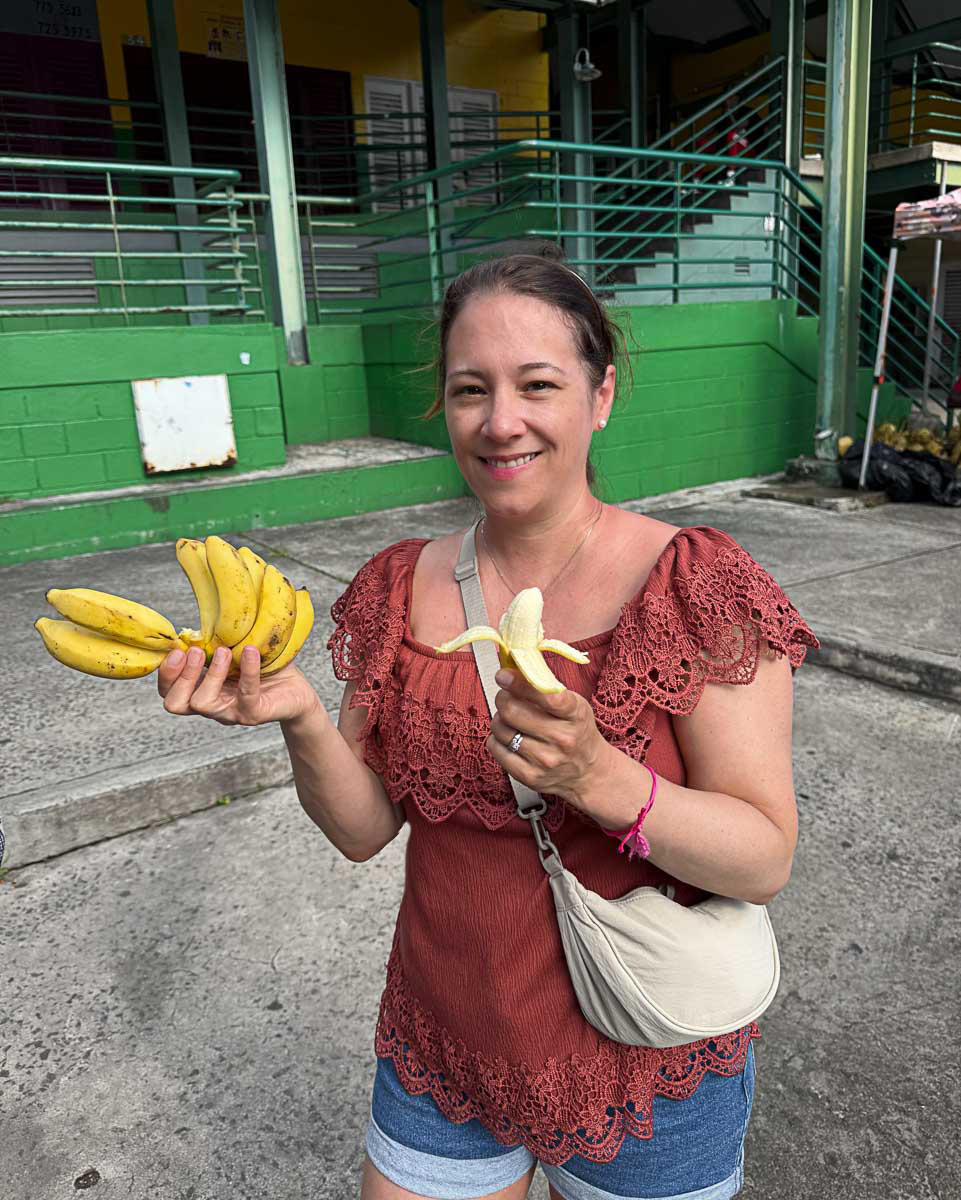
Antigua's markets are overflowing with delicious tropical fruits: papaya, mango, soursop (with sweet and tangy candy-like flavors), West Indian cherries, and fingerrolls-small, sweet local bananas.
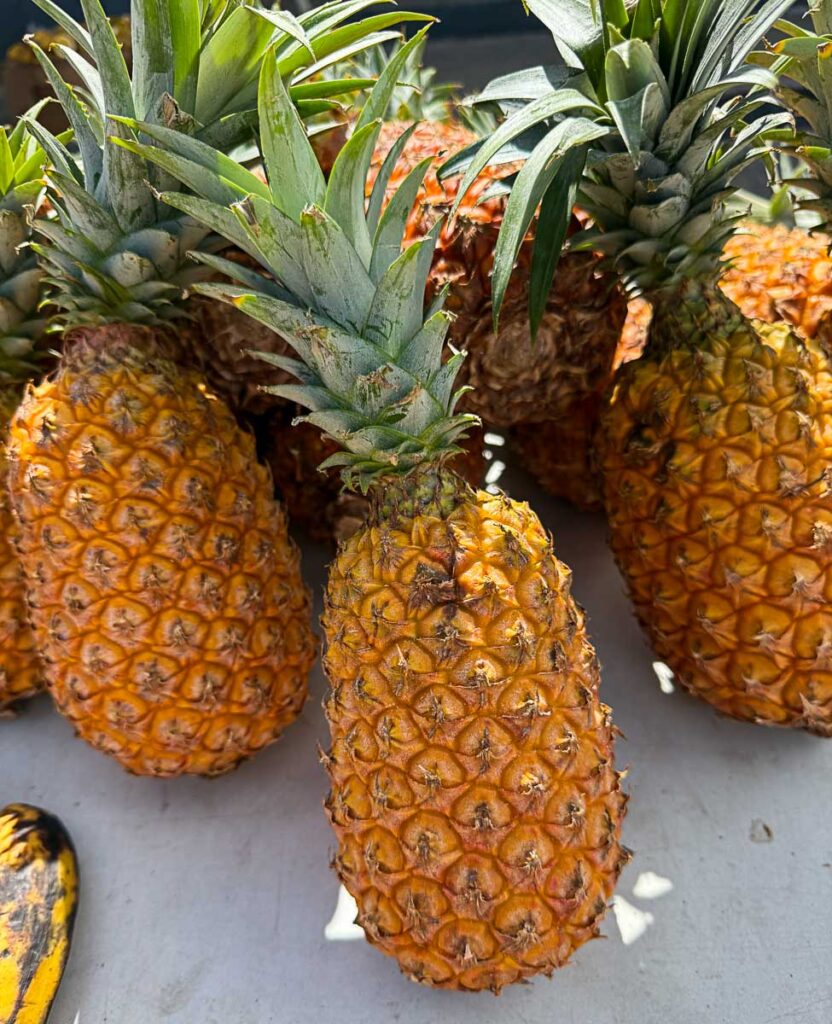
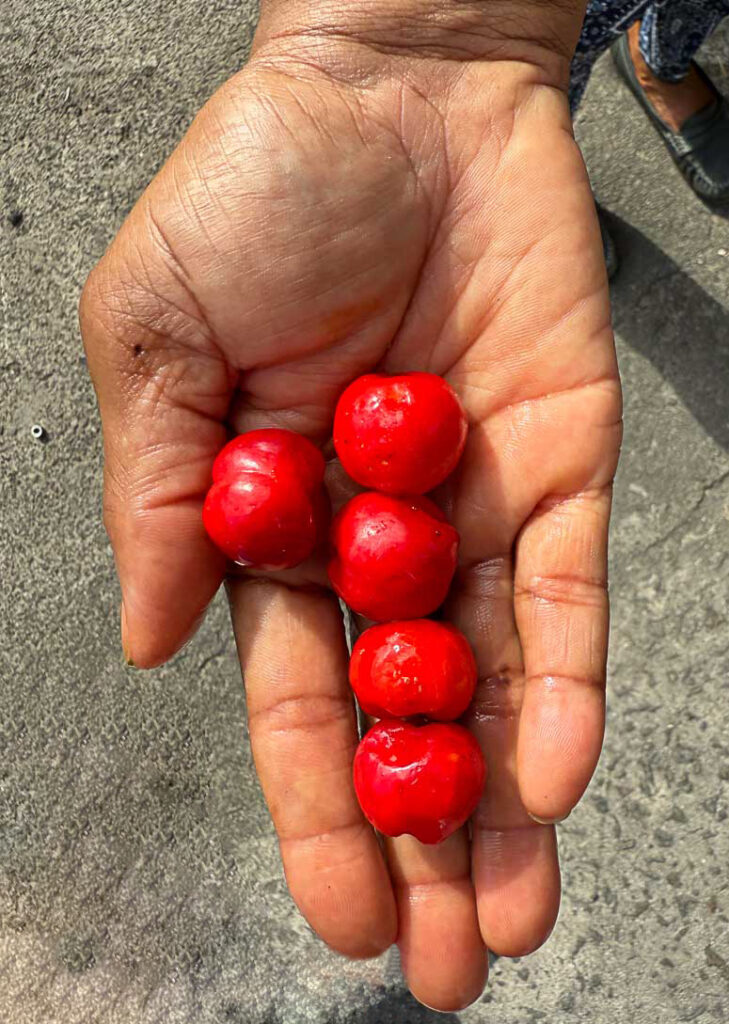
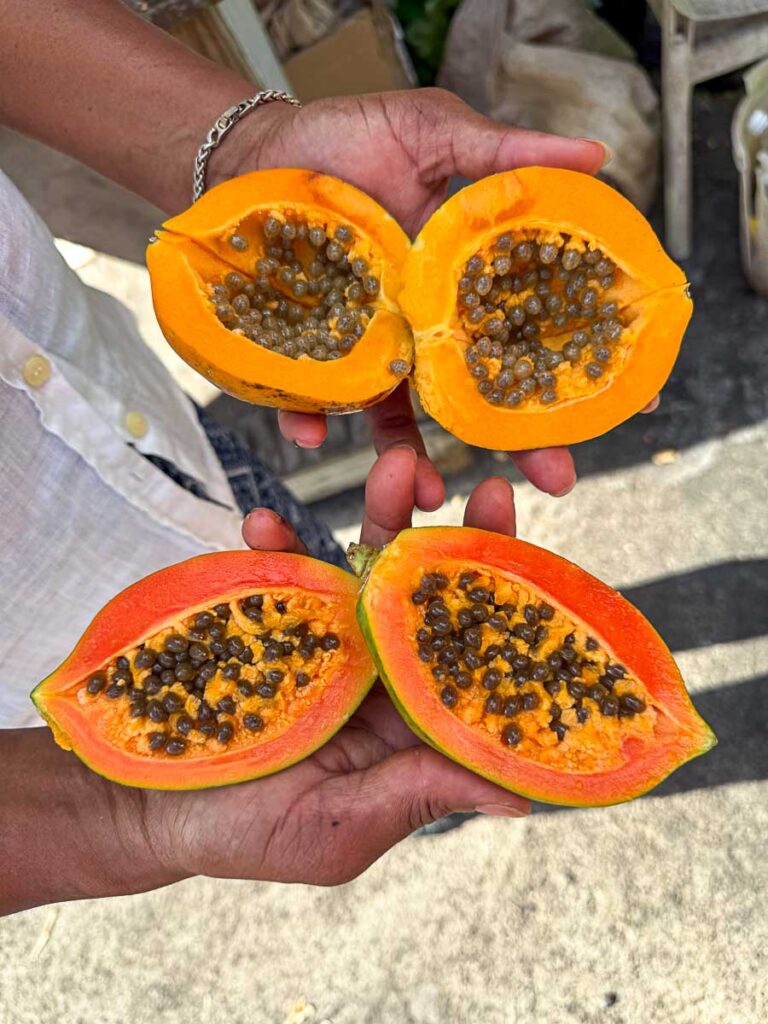
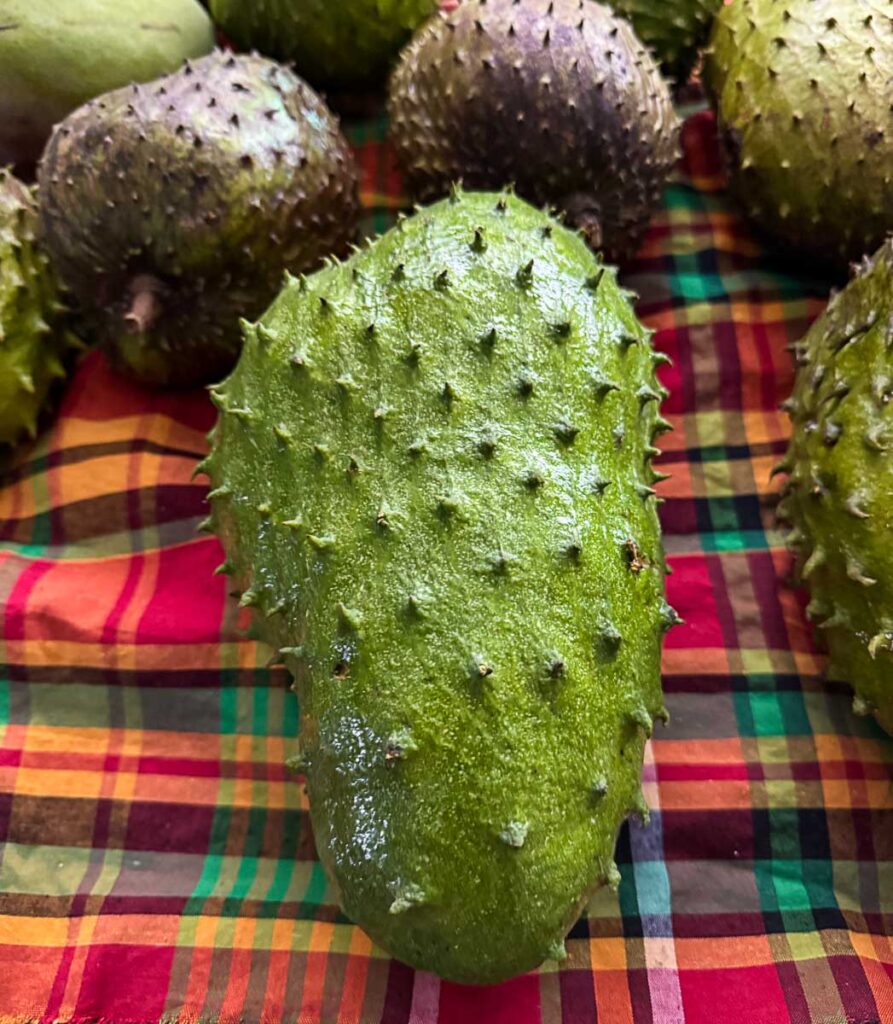
Special mention goes to the famous Black Pineapple, often called the world's sweetest pineapple.
People raved about it throughout my stay, but unfortunately, it wasn't in season. That said, the other varieties I tried were already incredibly tasty.
Want to explore more? To experience true Antiguan cuisine, don't miss a visit to the local market or a food tour-like the one I did with Eat 'n Lime Food Tours, which I highly recommend. Between family-run restaurants and roadside stalls, you're in for some truly delicious discoveries.

Marie-Noël Ouimet is a writer and content creator specializing in gastronomy, wine, and travel. She is the founder of the digital magazine Urbaine City, where for over 10 years she has been highlighting the pleasures of the table and the destinations that bring them to life. She also holds the WSET Level 3 certification in wines and spirits.